Category 1: clean
- Comes from a clean source, such as a supply line or tap
- Does not carry significant contamination at first
- Can become category 2 if it sits and picks up contamination
- Fastest to turn around when removed early
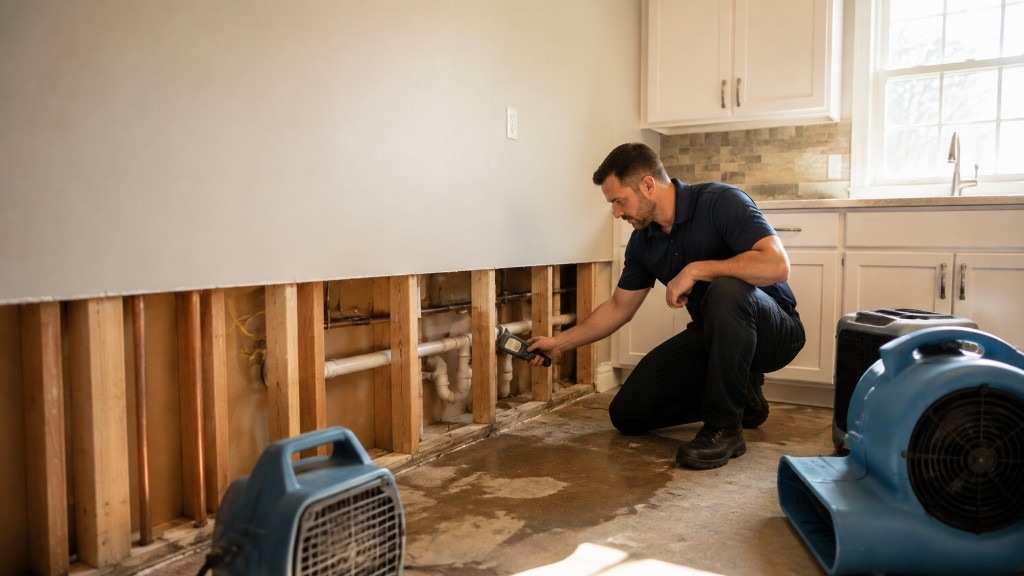
24/7 emergency response
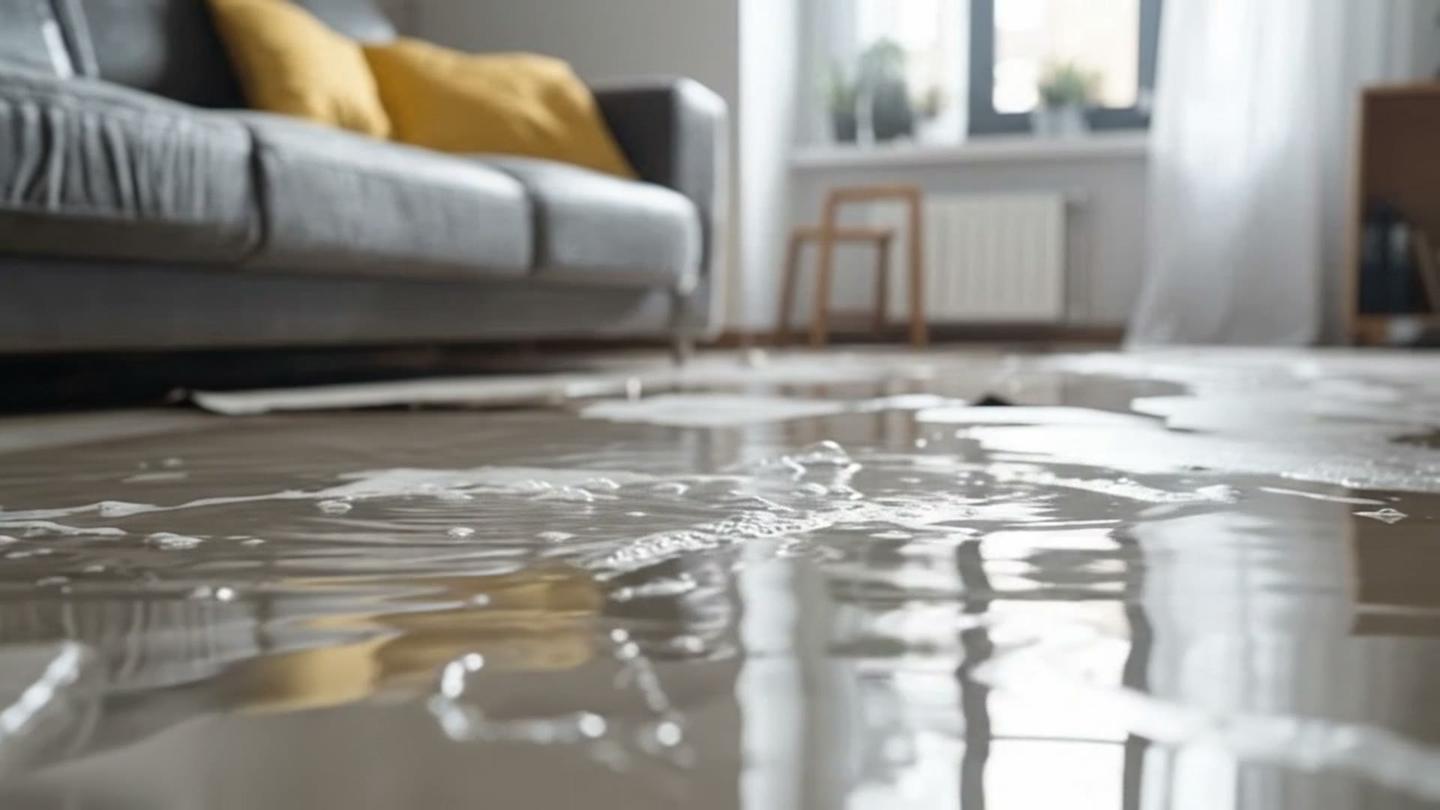
Fast standing-water removal to limit structural damage and speed recovery.
Standing water can destroy floors, walls, and belongings quickly. Our emergency extraction crews remove water efficiently and prepare the property for professional drying and restoration.
Rapid on-site response
High-capacity extraction equipment
Category assessment guidance
Immediate drying setup
Extraction in three terms
Extraction means physically removing water from a building. It comes before drying and before repairs. The more water that is pumped and vacuumed out early, the less there is to soak into floors, walls, and belongings. Three terms come up on every job.
3
Water categories
Category 1 is clean, category 2 is gray water with some contamination, and category 3 is heavily contaminated. The category decides how it is handled.
4
Damage classes
Classes describe how much of the room is wet and how fast it will dry, from a small area to a whole space with saturated materials.
1st
Remove before drying
Drying equipment works much faster when standing water is already gone, which is why extraction comes first.
How water leaves
Choose a number on the drawing to see how each piece of the setup works, and what we check as the water level drops.
The water sitting on the floor, measured and assessed first.
We check depth, how far it has spread, and what category it is before choosing the equipment and any safety precautions.
The equipment
| Equipment | Used for | Limits |
|---|---|---|
| Submersible pump | Deep standing water in basements, crawl spaces, and flooded rooms | Cannot pick up water below about an inch of depth |
| Truck-mounted extractor | Large volumes in big areas, with powerful suction | Needs good access to the outside for hoses |
| Portable extractor | Carpet, pad, and shallow water in single rooms | Slower on large areas, so it is used after pumping |
| Weighted floor extractor | Pressing water out of installed carpet and pad | Only reaches what is on the surface and in the pad |
| Wet and dry vacuum | Edges, corners, stairs, and tight spots | Small capacity, best for finishing details |
| Moisture meter and camera | Finding where water is still hiding | Show where it is, but do not remove it |
Where the water is
Below ground level
Water often enters through walls, floors, or window wells, and outside groundwater can keep pushing in as you pump.
We check that the source has stopped before pumping, so the water does not just return.
What we watch
The first hour
Arrival
We look for live electrical hazards, structural risk, and whether the water is clean or contaminated before anyone steps in.
Stop the source
A supply line is closed, a leak is isolated, or a pump keeps ahead of a rising source. Removal without stopping the flow just keeps the water coming.
Measure
We take photos, note the depth and extent, and record readings. These records matter for insurance and for the work that follows.
Pump
Pumps remove the bulk of the standing water to a proper discharge point, starting with the deepest areas.
Extract
Extractors take water out of carpet, pad, and corners, and the wet vacuum finishes the details.
Hand off
We map remaining moisture and explain whether drying, removal of materials, or repairs come next. See [water damage restoration](/services/water-damage-restoration).
Call now. We tell you what is safe to do until the pumps arrive.
What kind of water
How deep and how far
Damp
A small area, such as a wet bathroom floor, with no standing water. Moisture still needs checking, since it can get into baseboards and subfloor.
Usually moves straight to drying. A moisture meter shows how far it went.
What affects it
We do not promise a fixed time, because every building is different. These are the things that make extraction longer or shorter, with more filled dots for a bigger effect.
Before the team arrives
Extraction words
What comes after
If water reached beyond the floor, read our guide to water damage restoration, and see mold remediation if it sat for days.
Extraction is the first step: physically removing standing water. Restoration includes extraction plus drying, cleaning, repairs, and rebuilding. Small, quick incidents may only need extraction, while larger ones need the whole process.
As soon as it is safe to do so. Water keeps soaking into floors and walls, and early removal means less damage and often less that has to be replaced.
For small spills, a wet and dry vacuum designed for water can help. For anything more than a small amount, or if water may be contaminated or near electrical devices, call a professional. Never use a standard household vacuum on water.
Stopping the source comes first. If it is a plumbing leak, shut off the supply. If groundwater or storm water is entering, we position pumps to keep ahead of it while the cause is addressed.
Not necessarily. Flood and groundwater can carry contamination, and water near outlets can be an electrical hazard. Stay out until the power is off and call us. We tell you how to stay safe in the meantime.
Often the pad has to come out so the floor can dry, while carpet can sometimes be saved if the water was clean and caught early. We explain the choice and what each option involves.
Yes, but hardwood needs care. Water can warp and cup boards quickly, so we use methods that pull moisture out of the wood and check readings. Sometimes boards still have to be replaced.
Heavily contaminated water is treated as a health risk. We use protective gear, remove affected porous materials, clean and disinfect, and dispose of waste properly before drying begins.
We choose the discharge point carefully, usually away from the foundation and not into places that could cause harm. Contaminated water needs special handling rather than just being sent to a yard or storm drain.
Yes. We use compact pumps and safety precautions for tight, wet spaces, and we check insulation, the vapor barrier, and any equipment or ductwork under the house.
Many policies cover sudden water events, but coverage depends on the policy and the cause, such as flood versus a burst pipe. Your insurer decides. We document the water, the work, and the results with photos and readings.
We check what is still wet. Often drying equipment is set up and some materials are removed. We explain what comes next and why, and agree on the plan with you.

Who is behind this page
Water, fire, and mold restoration plus remodeling for Charlotte-area homes and businesses, from emergency cleanup to the finished repair.
We answer calls 24 hours a day.
Fill in the form and we will get back to you.
Emergency? Call, 24/7(980) 282-9637Also from ABC Experts