You can probably handle it
- A small spill on a hard floor, cleaned up within minutes
- A leak that was caught immediately and did not reach walls, carpet, or ceilings
- Clean water only, with everything dried the same day
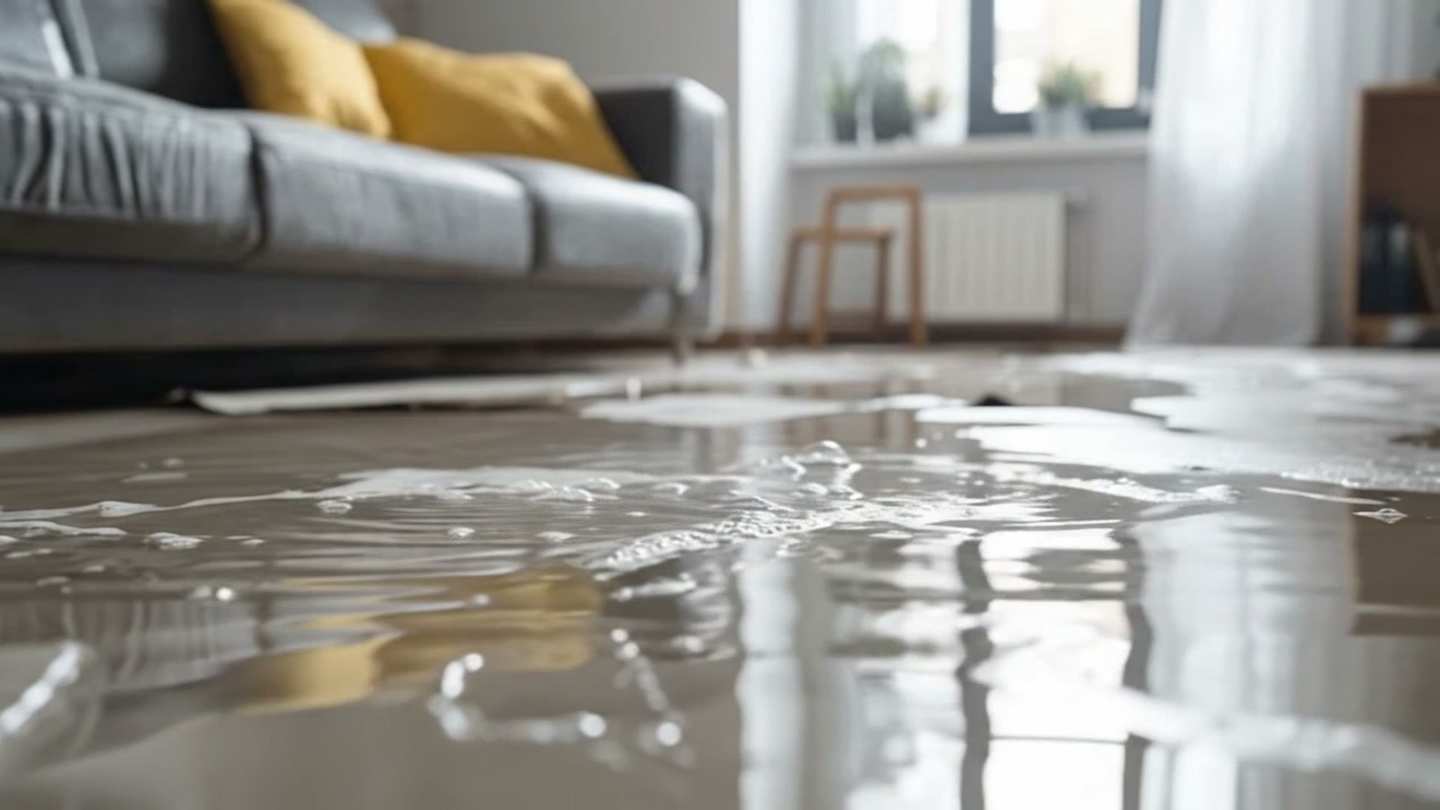
24/7 emergency response
Rapid water extraction, structural drying, and full restoration after leaks, floods, and storms.
When water invades a property, every hour matters. ABC Experts provides 24-hour emergency water damage restoration across the Charlotte metro — from extraction and moisture control to repairs that protect your structure from swelling, warping, and secondary mold growth.
24/7 emergency water extraction
Moisture mapping and structural drying
Insurance-friendly documentation
Cleanup through rebuild coordination
Right now
Safety comes first. The rest can wait until everyone is safe.
Know what you are dealing with
The type of water decides how the cleanup is done. We identify it during the assessment.
Category 1
Comes from a clean source, such as a supply line or rainwater, and is not harmful at first. If it sits, it can pick up contaminants and move into the next category, which is one more reason to call early.
Often dried in place if caught early.
Typical sources
How it works
Call any hour, or send a request and we will get back to you.
Common situations
Stay out if water is near outlets or the electrical panel.
Do not use a household vacuum. Standing water has to be pumped out and the structure dried, because basements hold moisture for a long time.
Behind the scenes
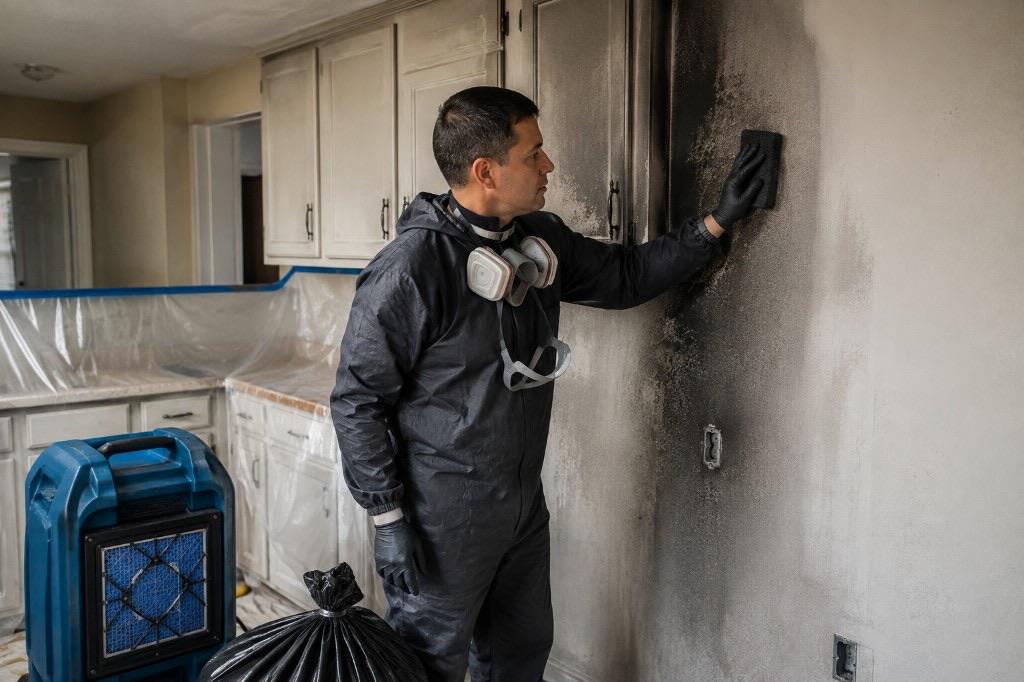
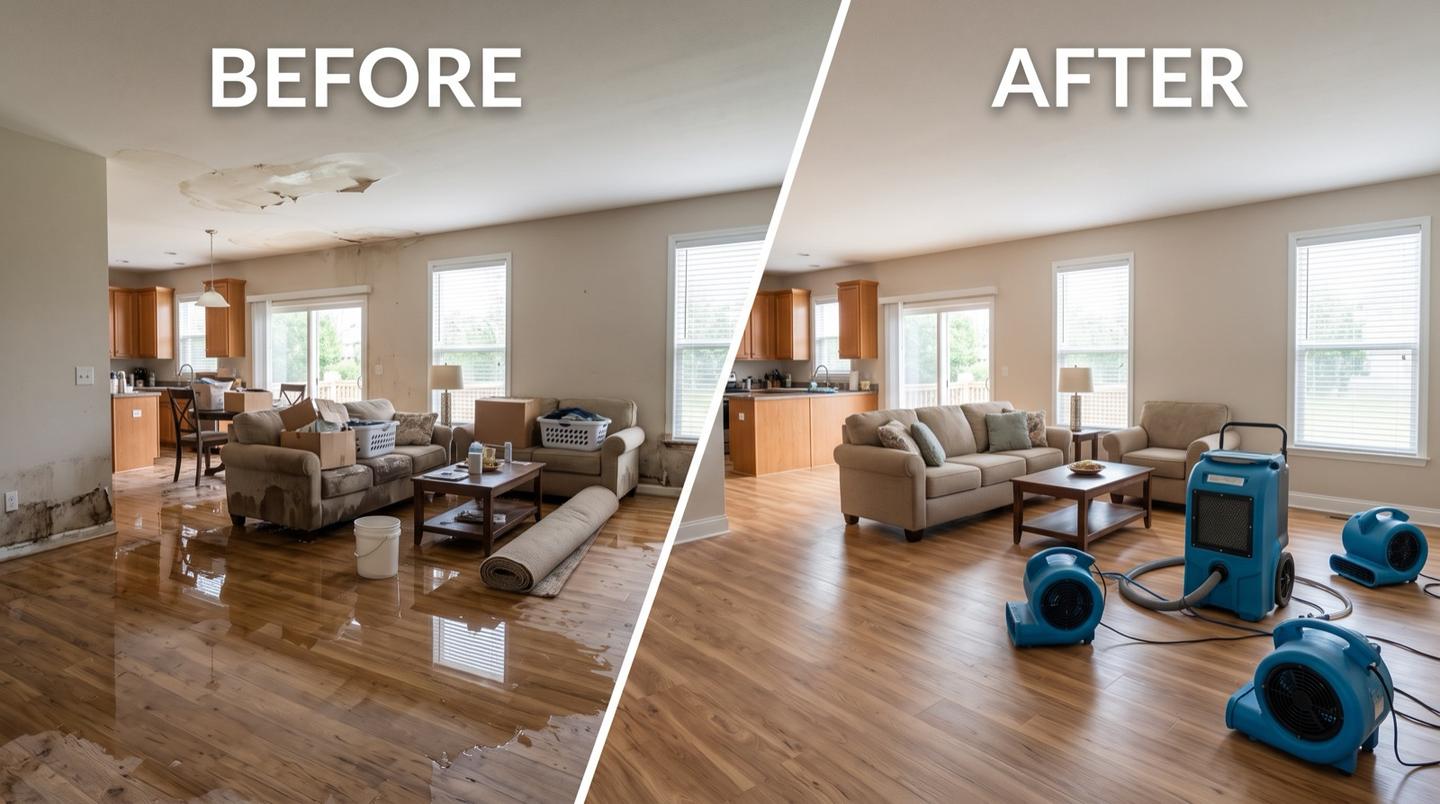
Drying a structure is a measured process, not a matter of running a few fans. This is what professional water damage restoration typically relies on. Water used to put out a fire is dried the same way, as part of fire damage restoration.
Remove standing water quickly, before it soaks deeper into materials.
Pumps and extractors can pull water from hard floors, carpet, and low spots, so less material has to be replaced.
Push air across wet surfaces to speed up evaporation.
Where they are placed matters as much as how many there are. They are aimed to move air across floors and walls.
Pull the moisture out of the air so the structure can keep drying.
Without them, fans only move humid air around. Dehumidifiers keep the air dry enough for moisture to keep leaving the materials.
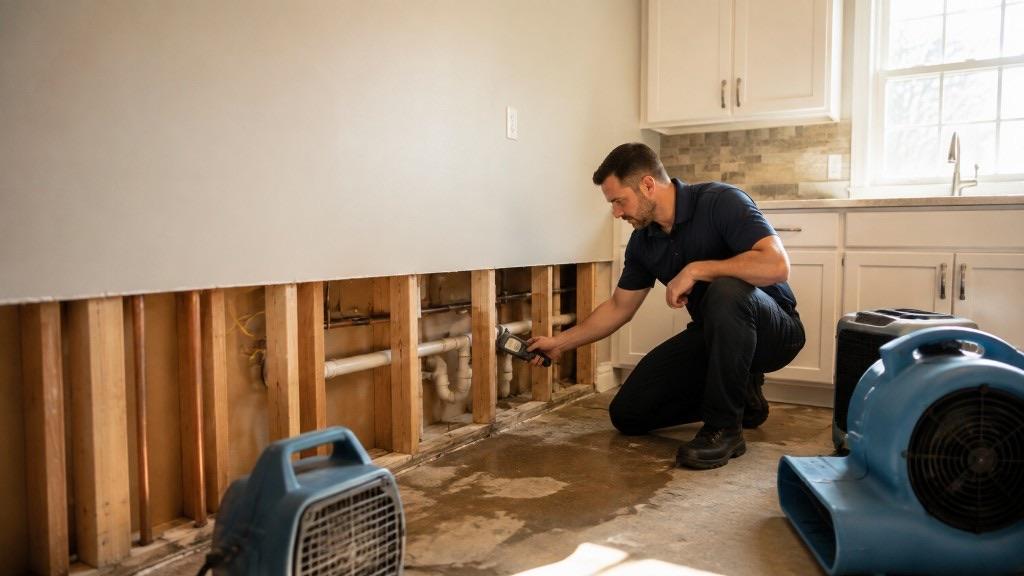
Show how wet a material really is.
Readings are compared with unaffected areas, so drying ends when the numbers say it is dry, not when it feels dry.
Helps locate hidden moisture behind walls and under floors.
It shows temperature differences that can point to wet areas, so fewer openings are needed to find them.
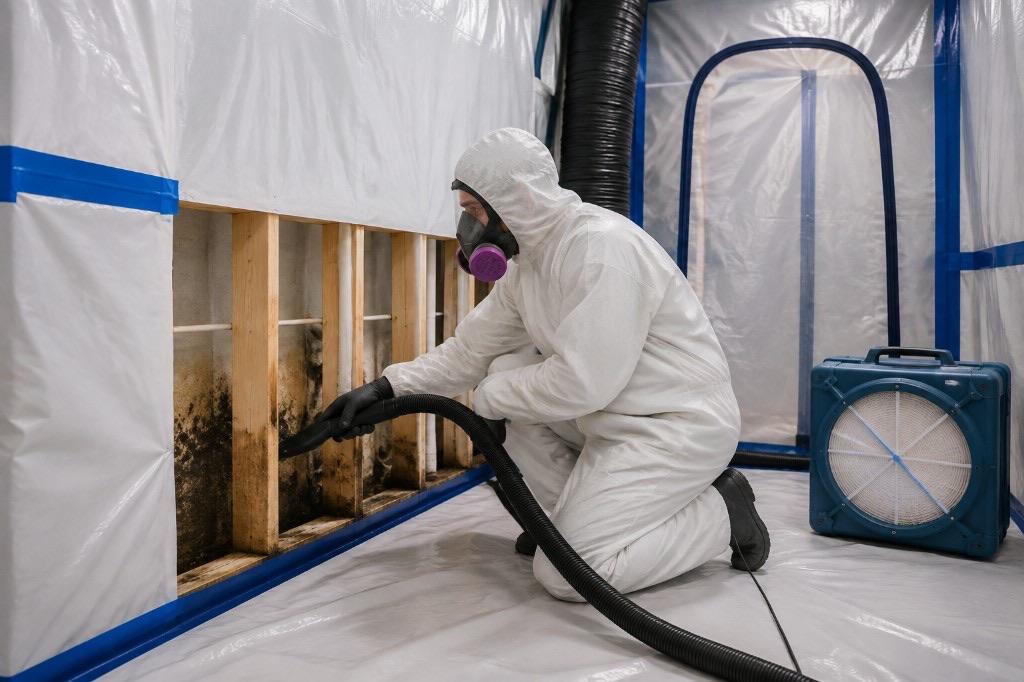
Filter the air when there is mold or contamination.
They help protect the rest of the building while the work is going on.
DIY or professional
What gets saved
Every job is different, but these are the general patterns. How long materials were wet and what kind of water reached them matter more than the material itself. We tell you what we see and what we recommend, so the decision is yours.
Drywall that was briefly wet with clean water can sometimes be dried. Drywall that stayed saturated, or met gray or black water, is usually removed.
Where it comes from
A split pipe can release a huge amount of water in minutes.
Tanks leak slowly at first and fail suddenly later.
Worn hoses and failed seals are common culprits.
Clogged drain lines overflow into ceilings and closets.
Heavy rain finds failed flashing, shingles, and seals.
Water from outside, often carrying dirt and contaminants.
Contaminated water that needs careful handling.
Inside walls, under floors, or under slabs for weeks unnoticed.
Why speed matters
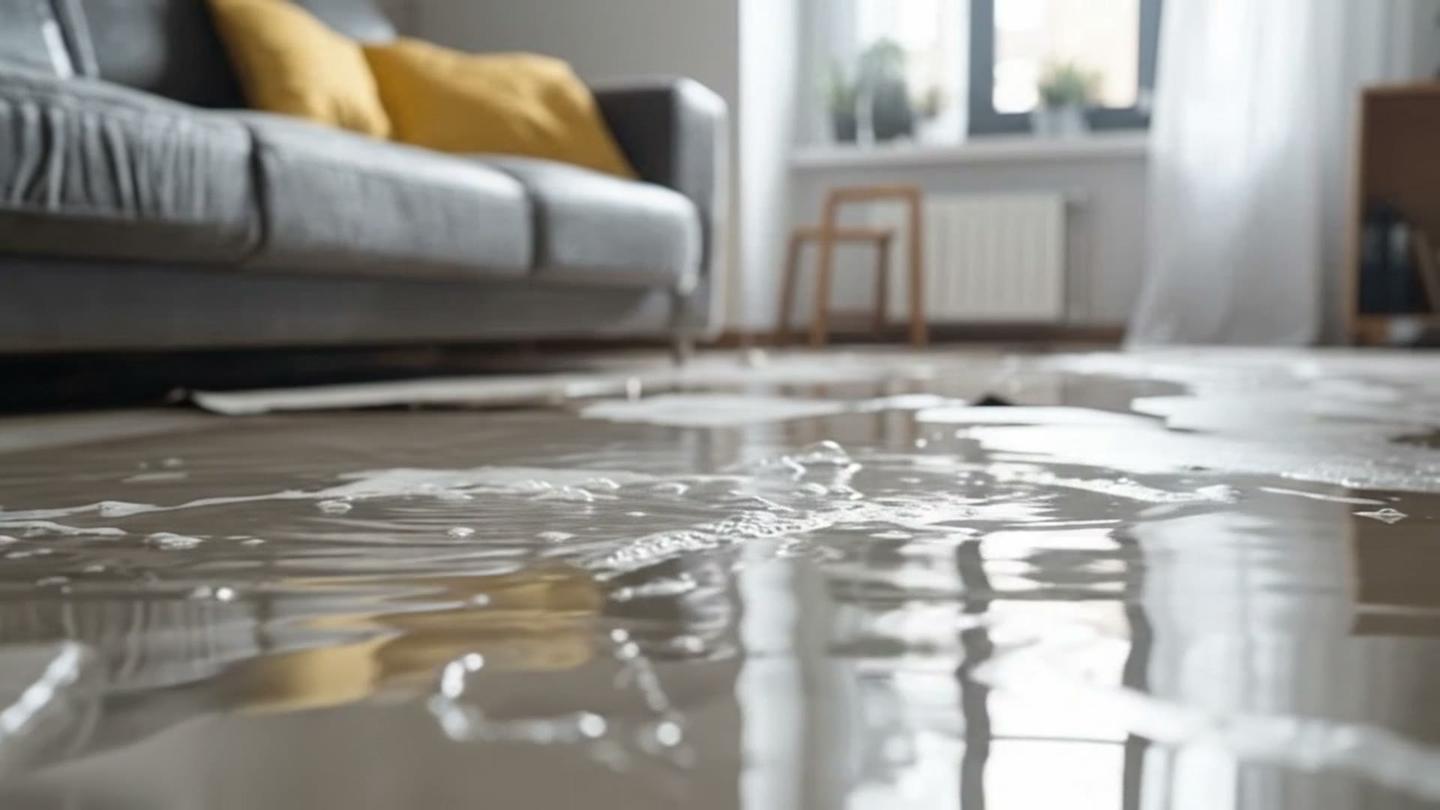
Water spreads into walls, floors, and under cabinets.
Drywall softens, flooring starts to swell, and mold can begin in damp conditions.
Warping, staining, and mold growth become much harder to reverse.
Wet building materials begin to deteriorate quickly. Drywall softens, flooring swells and warps, and mold can begin to grow in damp conditions within a day or two. Warm, humid weather makes that more likely. The best protection is to dry the structure quickly and thoroughly. If mold has already started, we handle that too with our mold remediation service.
After the water is gone
Planning and paperwork
As soon as it is safe to. Wet drywall, insulation, and flooring can start to deteriorate within a day or two, and mold can begin in damp conditions in roughly the same window. You can call us at any hour.
It depends on how much water there was, which materials got wet, and the humidity. It often takes a few days. We use moisture meters, so we know when the structure is actually dry rather than guessing.
For a small spill on a hard floor, yes. For anything that reached walls, carpet, subfloors, or insulation, surface drying usually leaves hidden moisture that can cause mold and damage later.
It can be. Water near outlets and appliances is a shock risk, a sagging ceiling can collapse, and gray or black water can carry contaminants. If you are not sure it is safe, stay out and call us.
That depends on your policy and the cause. Sudden, accidental damage is often covered differently from a slow leak, and flood damage usually needs separate flood coverage. Your insurer decides, but we document the damage clearly.
Yes. Water damage does not wait for business hours, and neither do we. We answer calls 24 hours a day.
It can if materials stay damp. That is why we dry the structure thoroughly and check moisture levels. If mold has already started, we can remove it and repair the area.
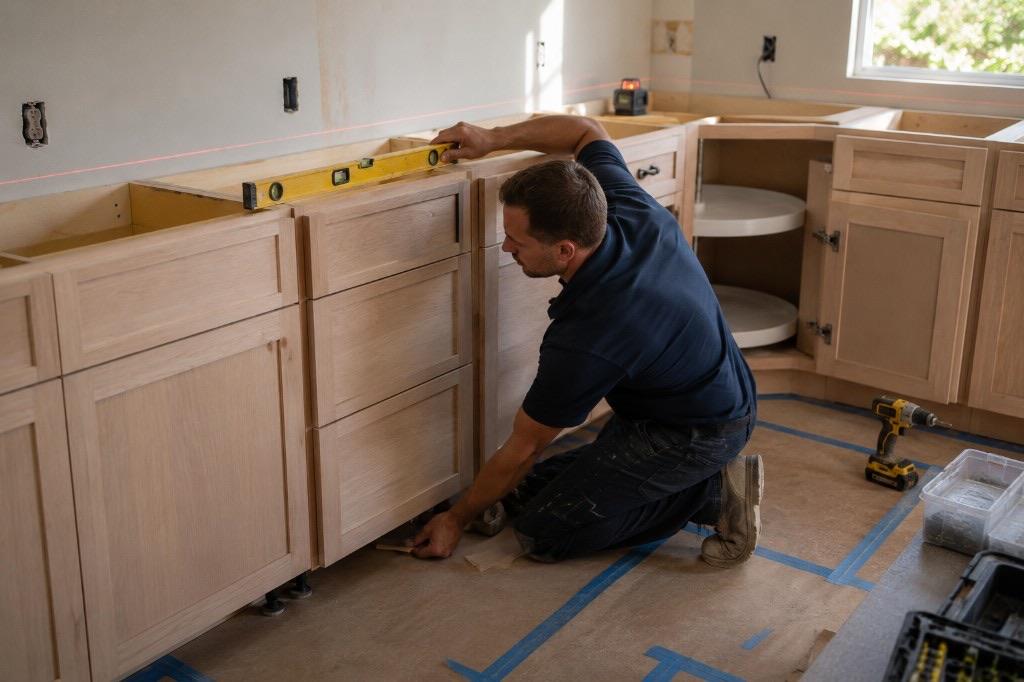
Yes. We replace drywall, flooring, trim, and paint ourselves, and larger rebuilds are handled through our general contracting service, so you do not need a second contractor.
Common signs are ceiling stains, bubbling or peeling paint, warped or swollen flooring, a persistent musty smell, and an unexplained rise in your water bill. If you notice any of these, call us for an inspection.
Stay out if the water is near outlets, the electrical panel, or appliances. If you can do it safely, stop the source. Do not use a household vacuum on the water. Call us, because basements hold moisture for a long time and need proper extraction and drying to prevent mold.
By measuring it. We use moisture meters to compare readings in the affected materials with unaffected areas, and drying continues until the readings are back to normal. Surfaces that feel dry to the touch can still be wet inside.
Often you can stay if the water was clean and the work is limited to a few rooms. If the water was contaminated, there is a safety concern, or the drying equipment makes the space hard to live in, we will tell you honestly what we recommend.

Who is behind this page
Water, fire, and mold restoration plus remodeling for Charlotte-area homes and businesses, from emergency cleanup to the finished repair.
We answer calls 24 hours a day.
Fill in the form and we will get back to you.
Emergency? Call, 24/7(980) 282-9637Also from ABC Experts