What the fire does
- Burns and weakens materials near the source
- Coats surfaces in soot and residue
- Spreads smoke through walls, attic, and ducts
- Leaves odor that clings to porous materials
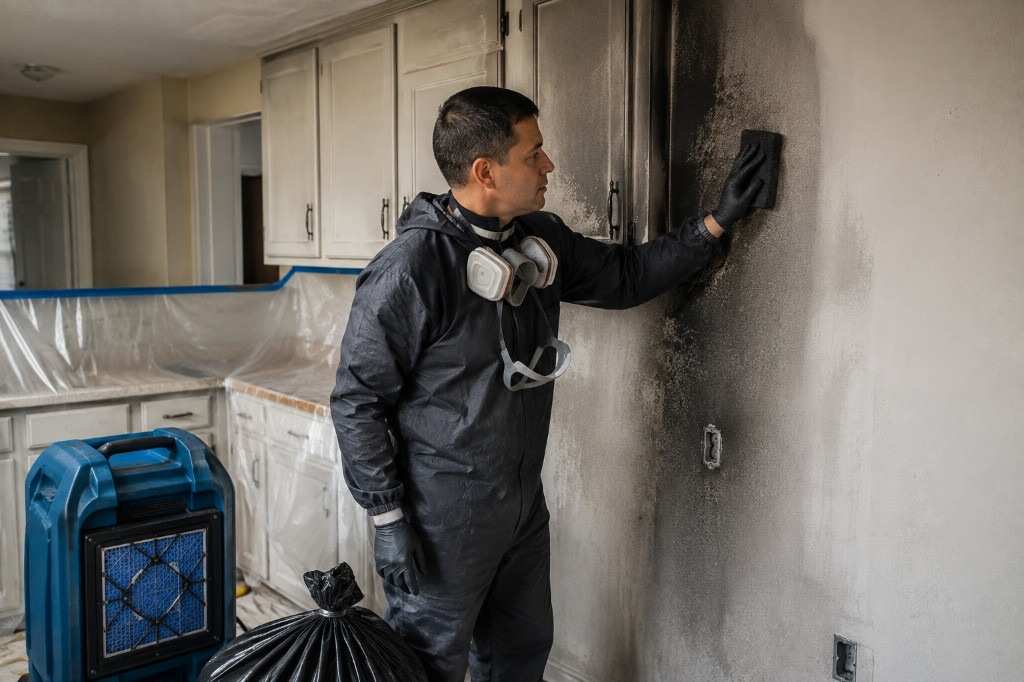
24/7 emergency response
Soot cleanup, smoke odor reduction, and structural repairs after fire damage.
Fire damage goes beyond what you can see. Our team handles soot and residue removal, smoke odor mitigation, and careful repairs so homes and businesses can recover safely and completely.
Soot and smoke residue cleanup
Odor neutralization
Content protection and salvage
Repair and reconstruction support
After the fire
Smoke, soot, heat, and the water used to put the fire out keep working on a building long after the fire department leaves. What you do in the first hours and days decides how much can be cleaned and how much has to be replaced.
Right away
Do not go back inside until the fire department says the building is safe. Weakened floors, hot spots, and damaged wiring are not always visible.
First hours
Report the loss and ask what your policy expects. If windows, doors, or the roof were opened by the fire, ask about boarding up so weather and thieves stay out.
Same day
Take photos and video of every room and item before anything is touched. Wiping soot with a dry rag or a household cleaner usually smears it deeper into the surface.
First days
A running furnace or air conditioner pulls smoke particles through the ducts into rooms the fire never touched. Keep it off until the system has been checked.
First week
With a written scope and an inventory, you can make those calls room by room instead of all at once, and your insurer sees the same list you do.
Where smoke goes
Hot smoke rises, spreads along ceilings, and then slips into every gap it can find: wall cavities, attic spaces, duct runs, electrical boxes, and the tops of closets. Pick a spot on the drawing to see why a kitchen fire can leave odor in a bedroom at the other end of the house.
Heat and flame damage the materials closest to the fire first.
Cabinets, countertops, and nearby drywall are often charred or cracked. Residue here is the heaviest, and the smell starts here.
Know your soot
What burned, how hot it burned, and how fast decides what the residue looks like and how it has to be cleaned. A method that works on one kind can make another worse, which is why we identify the residue before we choose a cleaner.
Fast, hot fires
Paper and wood that burn quickly and hot leave dry, fine soot that does not smear easily but travels far and settles into textured surfaces.
Usually removed with dry methods first, so it is not pushed deeper.
What it looks like
How cleaning works
| Method | Best for | Watch out for |
|---|---|---|
| Dry sponge cleaning | Light dry soot on walls, ceilings, and painted surfaces | Used first, before any wet cleaner, so soot is lifted instead of smeared |
| Wet cleaning | Heavier residue on hard surfaces, trim, and cabinets | Needs the right cleaner for each finish so it does not damage the surface |
| HEPA vacuuming | Loose soot on carpet, upholstery, and in cavities | Ordinary vacuums blow fine soot back into the air |
| Air scrubbers | Fine particles floating in the air during cleanup | Only help while the source of residue is also being cleaned |
| Thermal fogging or hydroxyl treatment | Odor in cleaned rooms after the residue is gone | Deodorizing only works after the residue is removed, never in place of it |
| Sealing | Stained or odor-holding framing and subfloor | A sealer on top of leftover soot traps the smell instead of ending it |
Ozone machines are sometimes sold as a one-step fix. Ozone can irritate lungs and damage some materials, and it does not replace removing the residue. We choose deodorizing methods that fit the room and keep people and pets out while they run.
Your belongings
Items are judged one at a time: what they are made of, how much smoke they took in, and whether cleaning would really bring them back. These are general tendencies. We look at each item before deciding.
Paper holds smoke odor, and wet paper can mold. Specialists can sometimes recover important papers.
Smoke smell
We answer 24 hours a day and tell you what to do while we are on the way.
Going back inside
It is natural to want to get inside right away. A few checks protect you and your family first.
Two kinds of damage
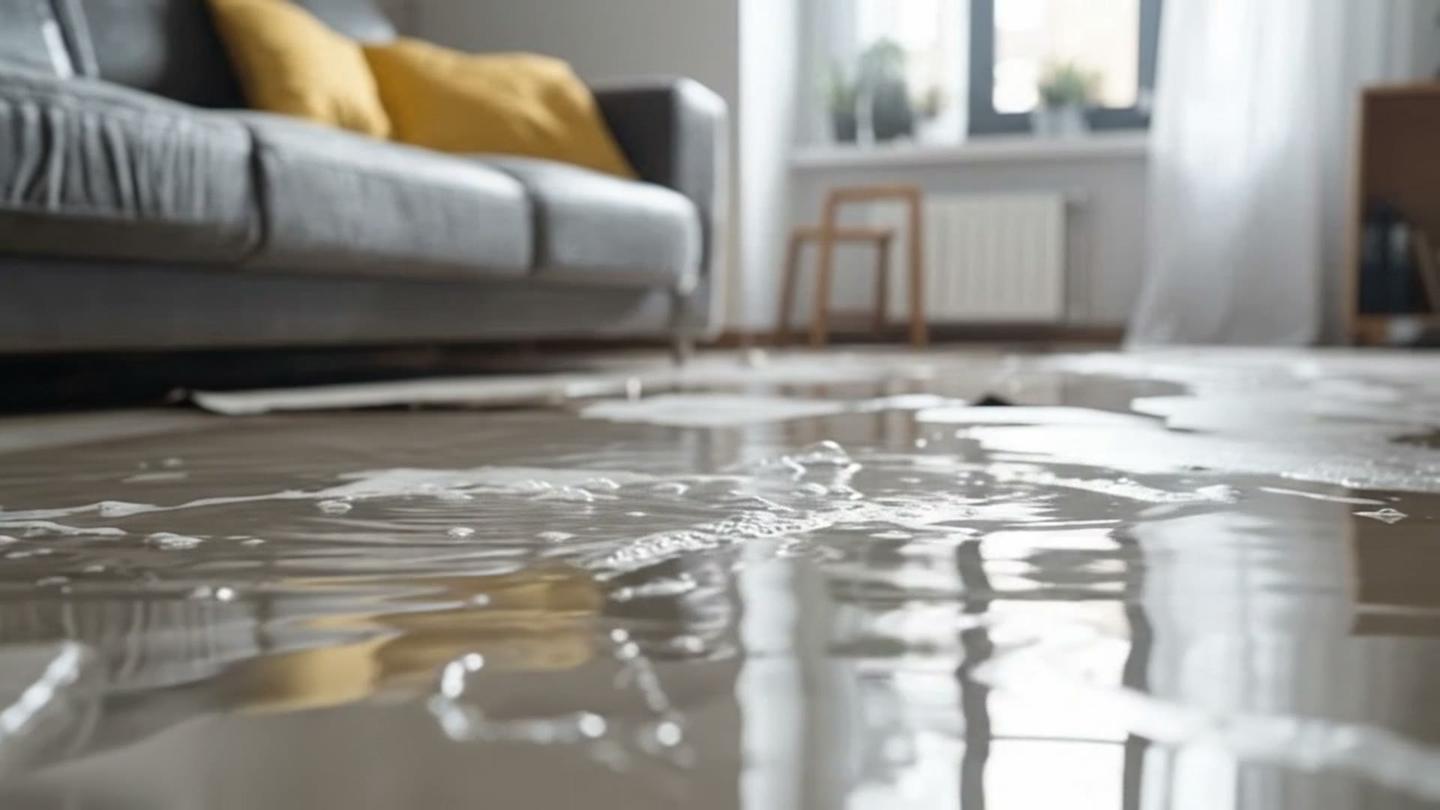
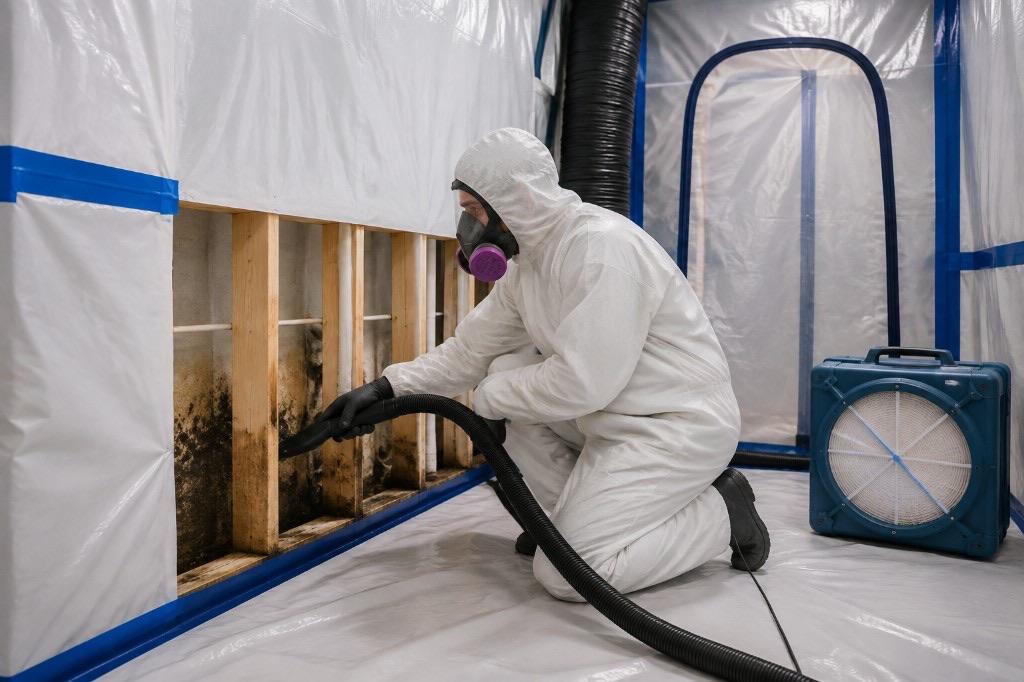
Many fire jobs need both cleaning and drying. We handle them together so wet areas do not sit while soot is being removed. If your property also has a large water problem, you can read about water damage restoration and mold remediation.
Protect what is left
Broken windows, burned doors, and open roof sections are covered to keep out weather and intruders.
A tarp or panel over damaged roofing keeps rain from adding water damage to fire damage.
Damaged gas, electrical, and plumbing lines are isolated until a licensed trade can repair them.
Furniture and belongings that can be saved are moved, covered, or packed away from active cleaning.
Doors and vents are sealed or filtered so soot does not travel to clean areas while work is going on.
Photos and a written list of what was done protect you if questions come up later with your insurer.
From cleaning to living again
Insurance words
Your insurer decides what is covered. We document damage and work clearly so the paperwork is easier, but we cannot promise a claim outcome. These are the words adjusters use most.
Next time
Unattended stovetops and grease are the most common starting point. Keep a lid and baking soda nearby, not water.
Keep them away from bedding, curtains, and furniture, and plug them straight into the wall.
Lint builds up in the vent and the machine. Clean the trap every load and the vent regularly.
Warm cords, flickering lights, and breakers that trip often are warnings to have a licensed electrician look.
Soot buildup in a chimney can ignite. Have chimneys inspected and cleaned before heating season.
Test them monthly and replace them on the maker's schedule. Working alarms give you time to get out.
As soon as the fire department says it is safe. Soot and moisture start damaging surfaces within hours, and early action keeps more of your property cleanable. You can call us while you are still talking to your insurer.
Sometimes, but not always. Smoke and soot spread farther than the flames, and protein residue from kitchen fires can hang in the air. If there is a lingering smell, visible soot, or the HVAC was running, ask for an inspection before settling back in.
Odor sits in porous materials, ducts, and cavities that surface cleaning does not reach. A lasting smell usually means residue remains in the HVAC system, behind walls, or in insulation, and those places need to be opened and cleaned.
We assess the system as part of the job, because soot in the ducts can bring the smell back. Depending on what we find, the ducts may be cleaned, treated, or in some cases replaced.
Most homeowners policies cover fire damage, but the details depend on your policy. Your insurer makes the decision. We document the damage and the work with photos and a written scope so your adjuster has clear information.
Not necessarily. Many hard items and washable fabrics can be cleaned. Food, medicine, and dense foam items are usually replaced. We look at each item and explain what is realistic before anything is discarded.
It depends on how far smoke spread, which materials were damaged, and whether rebuilding is needed. We give you a written scope and a schedule for your property, and tell you if something changes along the way.
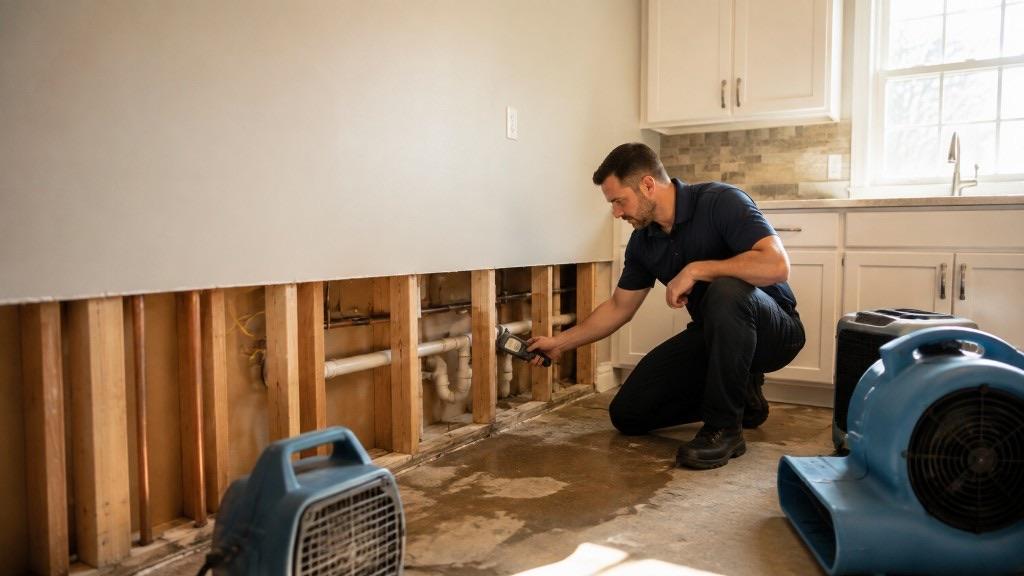
Yes. Firefighting water soaks floors and walls and can lead to mold. We dry the structure as part of the job so wet areas do not wait while soot is being cleaned.
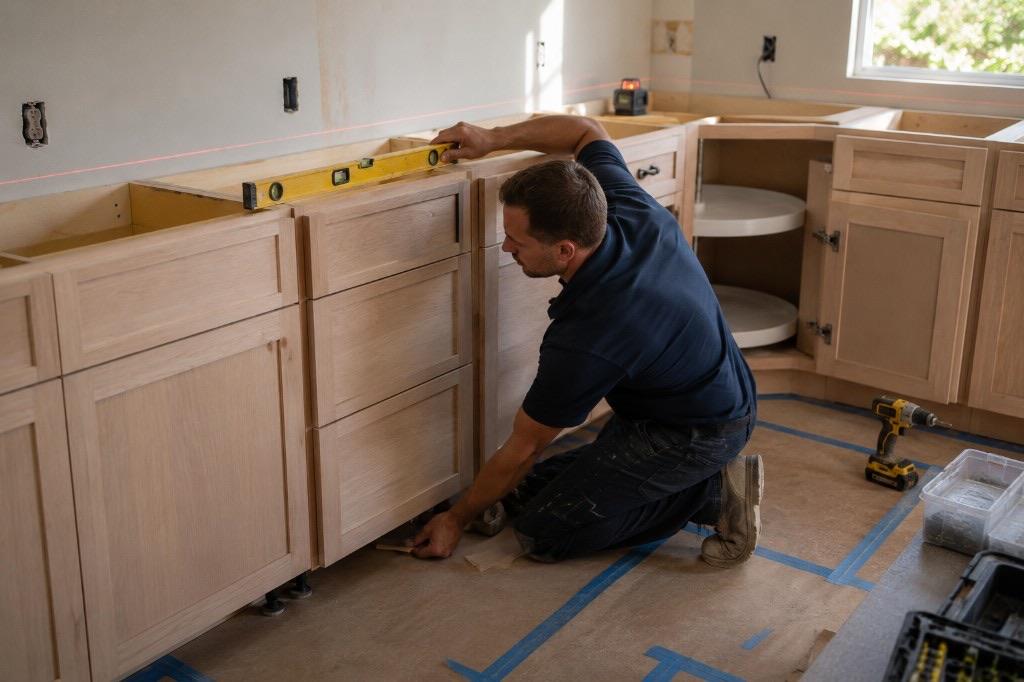
We handle the rebuild too: framing, drywall, flooring, paint, and trim. Using one company keeps a single schedule and one point of contact.
The fire may be in one room, but smoke usually is not. We check adjoining rooms, the attic, and the ducts. Often the cleaning scope is wider than the room that burned.
Soot can irritate skin, eyes, and lungs, and the particles are very fine. Avoid disturbing it, wear a mask and gloves if you must go in, and keep children and pets away. If anyone has symptoms, talk to a doctor.
It depends on how much of the home is affected. Heavy cleaning, odor treatment, and demolition create dust, fumes, and noise. We tell you when the home is safe to live in, and some policies help with temporary housing.
Who is behind this page
Water, fire, and mold restoration plus remodeling for Charlotte-area homes and businesses, from emergency cleanup to the finished repair.
We answer calls 24 hours a day.
Fill in the form and we will get back to you.
Emergency? Call, 24/7(980) 282-9637Also from ABC Experts