Mold thrives in hidden, damp spaces. We identify moisture sources, contain affected areas, remove contaminated materials when needed, and restore clean, healthy conditions with prevention in mind.
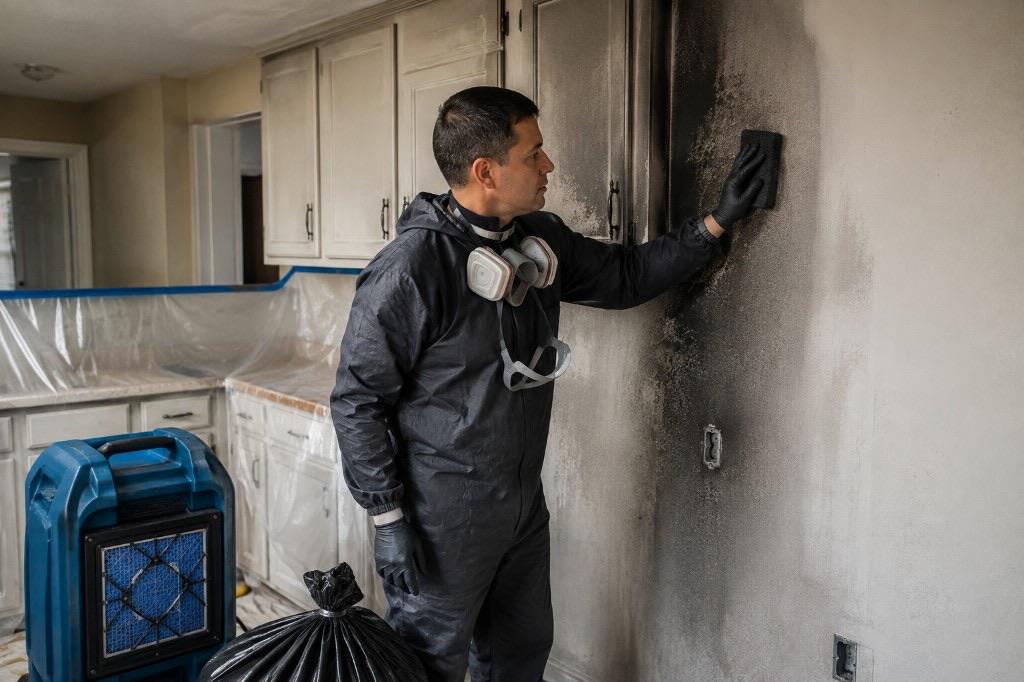
Containment and safe removal
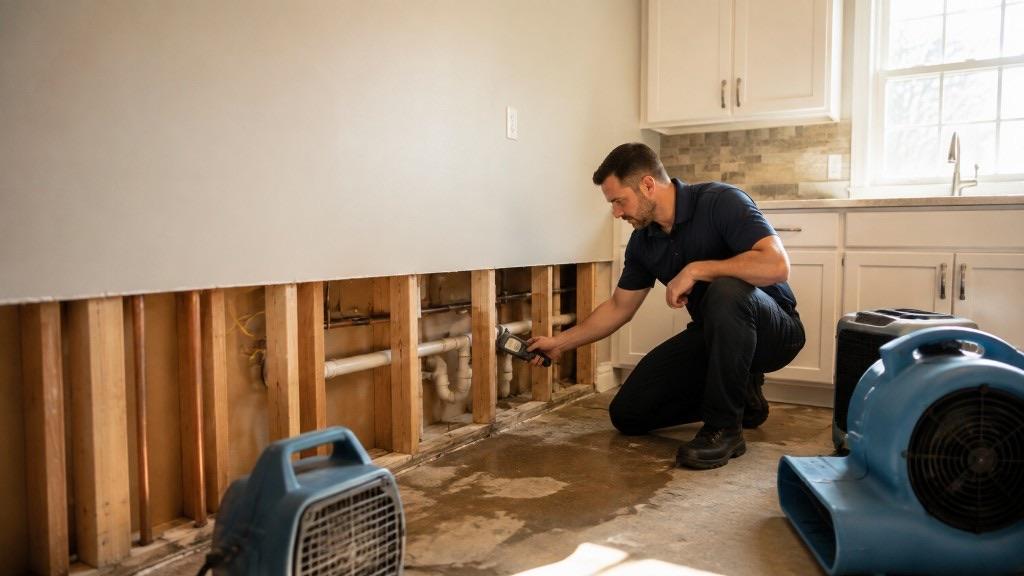
Moisture source correction
Black mold remediation
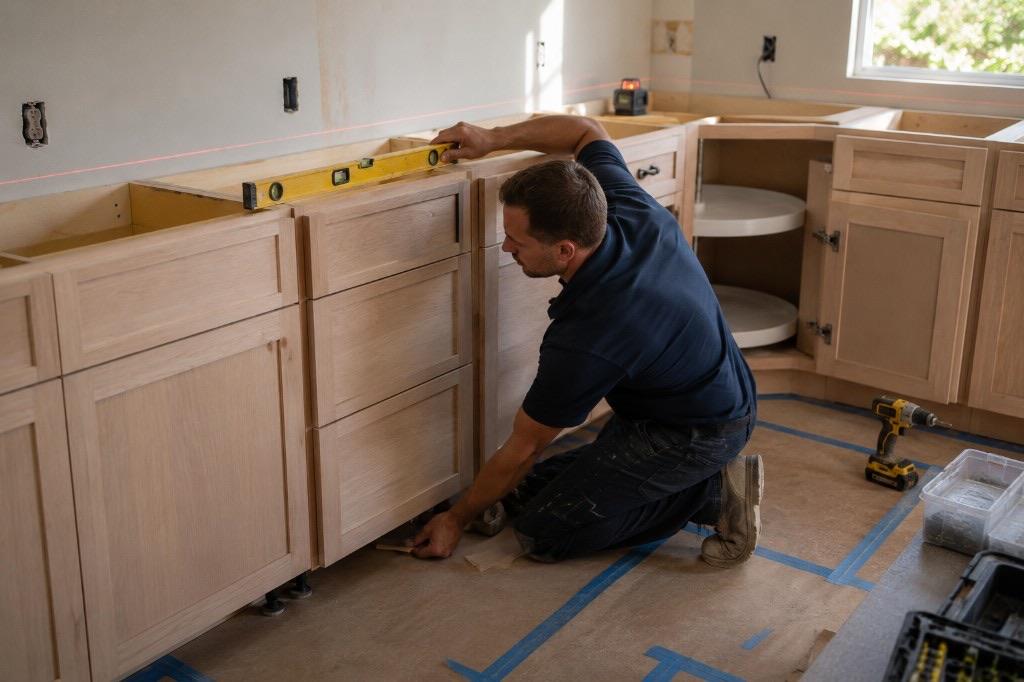
Prevention-focused finishing
Mold in three numbers
Mold is a moisture problem that shows up as a stain.
Mold spores are in every home. They only become a problem when they land on something damp and organic and stay there. That is why removing the mold without fixing the moisture almost never works, and why the first question we ask is not how much mold there is, but where the water is coming from.
3
Things mold needs
Moisture, something to feed on such as drywall, wood, or dust, and time. Take away the moisture and growth stops.
24–48 h
How fast it can start
Federal guidance says to dry wet materials within a day or two. After that, mold growth becomes more likely.
10 sq ft
A common line
EPA guidance suggests that mold covering more than about this much area is a job for a professional, not a spray bottle.
How it spreads
From one damp spot to a whole-room problem.
Mold does not appear overnight, and it does not stay put. Follow the cycle on the drawing to see why a small leak can turn into a large problem, and why the cleanup has to break the cycle at the source.
Moisture arrives
A leak, a flood, or steady humidity wets a surface.
Roof leaks, plumbing drips, condensation, and unvented bathrooms are the usual sources. Even slow moisture is enough.
Spores land
Airborne spores settle on the damp surface.
They are everywhere in normal air, so you cannot prevent them from landing. You can only keep the surface dry.
Colonies form
Spores begin to feed on drywall paper, wood, dust, and fabric.
This is when spots first appear, and often when a musty smell starts, sometimes before you can see anything.
Growth spreads
Colonies grow outward and into porous materials.
In drywall and insulation, growth can run well beyond the visible patch, which is why surfaces are tested with moisture meters, not just inspected by eye.
More spores released
Mature growth releases new spores into the air.
Disturbing it, by scrubbing or demolishing without containment, can spread spores through the home.
Hidden spread
Spores reach wall cavities, ducts, and attic spaces.
Moisture inside walls or under floors lets growth continue where nobody can see it, which is why a smell can persist after a surface cleanup.
A quick self-check
Do you probably have a mold problem?
Answer four quick questions
1.Do you see or smell mold?
2.Has there been water in the last few weeks?
3.How large is the affected area?
4.Are people in the home sensitive to mold?
Your result
Answer all 4 questions
Pick one option for each question on the left and the result shows here.
Probably fine, but watch it
There is little sign of a problem. Fix any leak, dry what is damp, and keep an eye on humidity. If a smell appears, get it checked.
Worth a professional look
There are signs of moisture or growth. An inspection with a moisture meter can tell you whether mold is hiding behind surfaces.
Call a professional
Several warning signs add up. Avoid disturbing the area and keep sensitive people out of it until it has been assessed.
This is a rough guide, not a diagnosis. Only an inspection can tell you what is actually going on.
Mold myths
What people believe, and what is actually true.
How removal works
Containing it so it does not spread.
Step 1
Find the moisture and map the growth
We use moisture meters and inspection to find the source and the real size of the problem, including areas behind surfaces.
Step 2
Seal off the work area
Plastic sheeting and zipper doors isolate the room so spores do not drift to clean areas while we work.
Step 3
Filter the air
HEPA air filtration, often with negative air pressure, pulls air through filters instead of letting it escape into the home.
Step 4
Remove contaminated materials
Porous materials with growth, such as drywall and insulation, are cut out and bagged. Solid framing is cleaned.
Step 5
HEPA vacuum and clean
Surfaces are vacuumed with HEPA equipment and wiped so remaining spores and debris are removed.
Step 6
Dry and verify
The area is dried until moisture readings are normal, and checked before rebuilding starts.
Smell mold? Get it checked.
Describe what you see and we will tell you honestly what it needs.
Steam, splashes, and slow leaks keep surfaces damp. Poor ventilation lets moisture settle on ceilings and walls.
We find the source, remove affected materials, and check the fan and ventilation.
Check here
Corners of the shower and ceiling
Behind the toilet and under the sink
Walls behind washing machines
Below-grade moisture
Basements and crawl spaces
Groundwater, condensation, and poor airflow make lower levels the most common mold spots.
Drainage and vapor control matter as much as cleanup so the problem does not come back.
Check here
Walls and floors near exterior corners
Insulation and framing in crawl spaces
Stored boxes and cardboard on the floor
Leaks under cabinets
Kitchens
Dishwasher lines, sink supply lines, and refrigerator water lines leak slowly, and cabinets hide the evidence.
We check for moisture behind and under cabinets before deciding what to remove.
Check here
Inside the sink base cabinet
Behind the dishwasher and fridge
Under the sink flooring
Roof and vent leaks
Attics and ceilings
Roof leaks, poor ventilation, and bathroom fans that vent into the attic leave framing and insulation damp.
The roof or vent problem has to be repaired, and the growth cleaned, in the right order.
Check here
Dark patches on roof decking
Stains on ceilings below
Wet or compressed insulation
Testing and checking
What each type of testing can and cannot tell you.
Check
What it tells you
What it does not
Visual inspection
Where growth is visible and where water damage is likely
What is hiding behind walls or under floors
Moisture mapping
Which materials are wet and how far moisture has spread
Whether mold is present on those materials
Air sampling
A snapshot of spore levels in the air at one moment
The source, or how much growth there is
Surface sampling
Whether a specific stain or spot is mold
How far growth extends beyond that spot
Post-remediation verification
Whether the work area is clean after removal, compared with a baseline
Future conditions, if moisture returns
Sampling is not always needed. When mold is visible and the moisture source is known, the plan often does not change with a lab result. We tell you honestly when testing adds value and when it only adds cost.
Until we arrive
What to do, and avoid, while you wait.
Do not disturb it
The biggest mistake is scrubbing, sanding, or tearing out material. Disturbed mold releases spores into the air.
Stop the waterFix or shut off the leak if you can. Without moisture, growth stops spreading.
Keep people and pets outEspecially anyone with allergies, asthma, or a weak immune system. Talk to a doctor if anyone has symptoms.
Do not run fans over itFans can blow spores through the house. Close the door to the affected room instead.
Photograph what you seePictures help us and your insurer, and show whether the area changes before we arrive.
Skip the bleach and the paintNeither fixes the cause, and some cleaners can make later work harder.
Size matters
How big is it, and what does that mean?
Small spot
A small patch on a hard surface
A small patch on tile or painted drywall from condensation or a past splash is often manageable. The key is that the surface is dry and the cause is fixed.
Fix the moisture first. If it keeps coming back, call us.
A patch
Spots on drywall or ceiling
Growth on drywall or a ceiling usually means moisture reached the material. The visible patch is often smaller than the damp area behind it.
We use a moisture meter to find the real extent before cutting.
A room
Growth across a wall or room
Larger areas, more than about 10 square feet, are a professional job. Cleaning it yourself can spread spores through the house.
We contain the room, filter the air, and remove contaminated materials.
Whole area
Multiple rooms or the HVAC system
If mold is in several rooms or in ducts, spores are moving through the home. The air handling system becomes part of the problem.
We plan the whole home, including the HVAC system, before any work starts.
Keeping it away
What actually drives moisture in a home.
Aim for indoor humidity somewhere between 30 and 50 percent. Beyond that, these are the main causes of moisture in the Charlotte area, with the ones that matter most marked by more filled dots.
Plumbing and appliance leaksSmall, constant leaks wet cabinets, walls, and floors for weeks before anyone notices.
Roof and window leaksWater from above reaches attics and walls, where it stays damp for long periods.
Poor bathroom and kitchen ventilationSteam and cooking moisture need a fan that vents outside, not into the attic.
Crawl space and basement moistureGround moisture, open vents in humid weather, and missing vapor barriers push humidity into the house.
Gutters and gradingWater that drains toward the foundation ends up in lower levels.
Oversized or short-cycling ACAn air conditioner that cools too quickly turns off before it removes humidity.
Paperwork
Who pays for mold work depends on the situation.
Homeowners
Mold coverage varies a lot between policies, and many have limits.
Coverage often depends on whether the cause was sudden, such as a burst pipe, or gradual.
Report the water damage early and keep records.
Your insurer decides coverage. We document the work and conditions.
Renters and landlords
Renters should report mold to the landlord in writing and keep copies.
Landlords often handle repairs to the structure, and renters insurance usually covers belongings.
Keep photos and dates of when you noticed the problem.
We can provide a written scope for the property owner or manager.
Mold often looks like fuzzy or spotty growth in black, green, white, or gray, and it usually comes with a musty smell. Some stains, such as dirt or water marks, look similar. If you are unsure, an inspection with a moisture meter can tell you quickly.
Mold can irritate the eyes, nose, throat, and lungs, especially for people with allergies, asthma, or weakened immune systems. Reactions vary a lot from person to person. If anyone has symptoms, talk to a doctor, and do not disturb large areas of growth.
Small areas on hard, non-porous surfaces can often be cleaned carefully if the moisture problem is fixed. Larger areas, porous materials like drywall, and anything that returns are better left to professionals who can contain the work.
Because the moisture that fed it is still there. A hidden leak, high humidity, poor ventilation, or damp insulation can keep feeding new growth. Removing the mold without correcting the source only buys time.
We contain the work area, filter the air with HEPA equipment, remove materials that cannot be cleaned, HEPA-vacuum and clean surfaces, and dry the area. Protective gear keeps the crew safe, and containment keeps spores out of the rest of your home.
Not always. When mold is visible and the cause is known, the plan usually does not change with a lab report. Testing can help in unclear cases or when a verification after cleanup is required. We tell you honestly whether it adds value.
No. A lasting musty smell usually means growth or moisture remains somewhere, often behind a wall or under a floor. After the source is found, cleaned, and dried, the smell normally goes away.
It depends on how large the area is, what materials are involved, and how long drying takes. We give you a scope and schedule for your property and tell you if anything changes.
Often you can stay in unaffected areas when the work is contained. For larger jobs, or if anyone is sensitive to mold, we may recommend staying elsewhere for a few days.
It depends on the policy and the cause. Many policies limit mold coverage or cover it only after a sudden covered water event. Your insurer makes the decision, and we document conditions and work for your records.
Yes. Damp ducts, dirty coils, and standing water in the drain pan can grow mold, which then spreads through the home. We check the system as part of the job when growth is widespread.
Keep humidity between about 30 and 50 percent, fix leaks quickly, run bathroom and kitchen fans, keep gutters clear, and dry any wet materials within a day or two. We also point out any conditions in your home that could cause trouble.
Who is behind this page
ABC Experts LLC
Water, fire, and mold restoration plus remodeling for Charlotte-area homes and businesses, from emergency cleanup to the finished repair.