From a kitchen fire in a South End apartment to a smoke-filled bungalow in Dilworth, we clean soot, remove odor, and rebuild fire-damaged property across Charlotte.
Charlotte has high-rises, garden apartments, tree-lined bungalows, and sprawling suburban houses. Each burns, smokes, and gets cleaned differently. Pick the kind of property closest to yours.
High-rises and lofts
Condos, lofts, and apartment towers
In tall buildings a fire in one unit sends smoke through shared corridors, shafts, and ductwork, and sprinkler water pours into the floors below. Cleanup has to cover the unit that burned and every space the smoke or water reached.
We document each affected unit separately and work with building management so the scope is clear to every owner and insurer involved.
What we often see
Cooking fires in unit kitchens
Smoke drawn into shared corridors and vents
Sprinkler water that soaks the units below
Older neighborhoods
Established neighborhoods with older houses
Older Charlotte homes have plaster walls, original wood floors, and attics with open framing. Smoke settles into old materials and holds odor for a long time, so cleaning has to be careful and thorough.
We test surfaces first and clean the plaster, trim, and floors we can save instead of replacing everything.
What we often see
Fireplace and chimney fires
Aging wiring behind plaster walls
Attic fires that spread through open framing
Newer family homes
SouthPark, Ballantyne, University City and beyond
Large newer homes have open floor plans and shared air handlers, so smoke from one room spreads to the whole house. Bonus rooms, garages, and finished attics add more places for soot to settle.
We clean the air system along with the rooms so the smoke smell does not return when the heat or air comes on.
What we often see
Garage fires from stored fuel and batteries
Dryer vent fires in laundry rooms
Smoke carried by the HVAC system
Apartments and rentals
Garden apartments, townhomes, and rental houses
Shared walls and attics let fire and smoke pass from one unit to the next. Landlords, tenants, and insurers all need records, and speed matters for getting people back home.
We keep unit-by-unit records and share the same scope with owners, managers, and adjusters.
What we often see
Kitchen fires that spread into attics
Space heater and cord fires
Smoke in neighboring units
After the trucks leave
The first hours after a Charlotte fire.
Once the fire department says it is safe, these moves protect what is left.
Do
Call your insurer and us as soon as the fire department clears the building.
Photograph damage from doorways before anything is moved.
Open windows only if it is dry and safe, to let smoke out.
Take essentials, medicine, and papers out if you can reach them safely.
Write down what burned and what you saw.
Don't
Don't enter rooms with soft floors or charred framing.
Don't wipe soot from walls or fabric.
Don't turn on the HVAC system or electronics that were near the fire.
Don't throw out damaged items before they are photographed.
What we are called for
The fires we are called to most in Charlotte.
What happens
What it looks like
Kitchen and stovetop fires
Grease and unattended cooking leave soot on cabinets, ceilings, and the rooms next door.
Space heater and cord fires
Cold snaps raise the risk in older homes and apartments.
Electrical faults
Old wiring or overloaded circuits start fires inside walls.
Dryer vent fires
Lint buildup ignites in laundry rooms and spreads into the walls.
Lightning strikes
Summer storms ignite roofs and attics in houses of every age.
Sprinkler and hose water
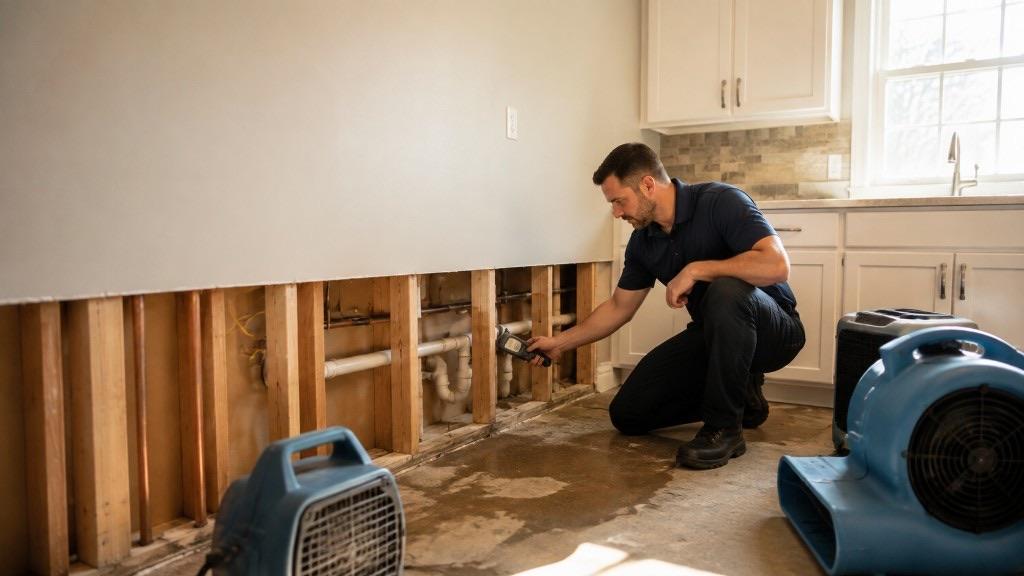
Putting out a fire soaks floors and ceilings that then need drying.
How a fire job runs
From a smoky house to a clean, rebuilt home.
Step 1
Secure the property
We check for hazards, board up openings, and protect what can be saved. Safety comes first, and each step is photographed for your records.
Step 2
Assess the damage
We look at how far smoke and soot traveled, room by room. The written scope that comes out of this is shared with you and your insurer.
Step 3
Remove soot and residue
Surfaces, framing, and contents are cleaned with the method that suits each material. Dry methods come first so soot is lifted instead of smeared.
Step 4
Deodorize and filter the air
Odor treatment and air filtration start once the residue is gone. Treating odor before cleaning only hides it for a while.
Step 5
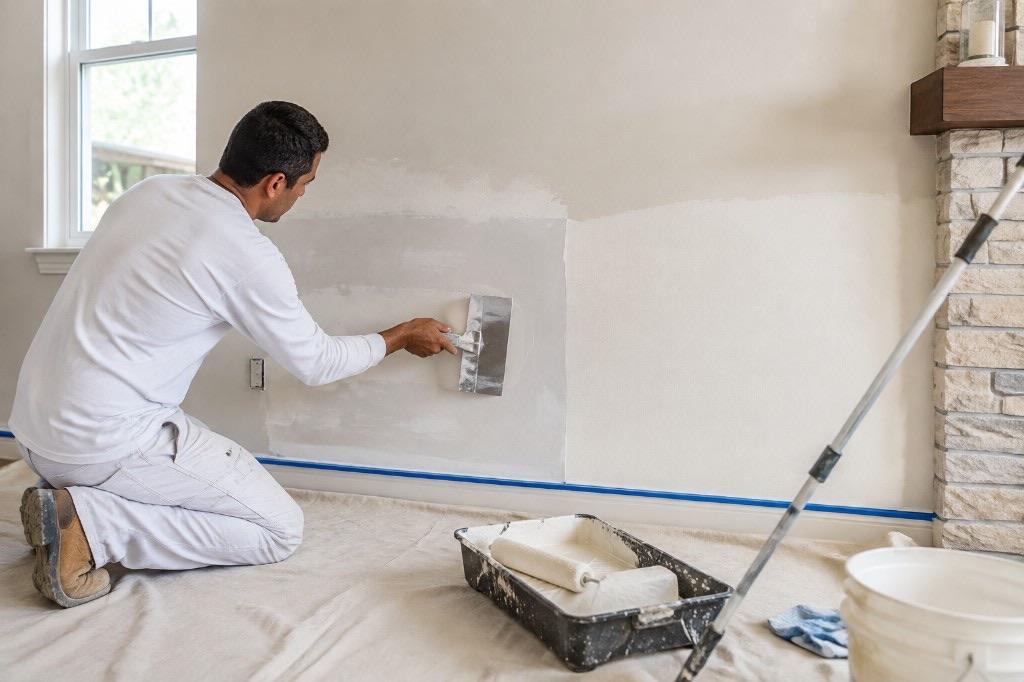
Rebuild
Drywall, flooring, paint, and trim replace what could not be saved. One company handles both parts, so the schedule stays in one place.
Yes. We work across Charlotte, including Uptown, South End, NoDa, Plaza Midwood, Dilworth, and Myers Park. Call us for current availability for your address.
Yes. We work in high-rise and multi-unit buildings, coordinate with building management, and document each affected unit so owners and insurers see the same record.
Often, yes. Plaster, hardwood, and trim can usually be cleaned if the damage is moderate. We test a small area first and tell you what can be saved before work starts.
It can be. Smoke moves through shared walls, attic space, and doors. We check the house, not just the garage, and clean any room the smoke reached.
We work across Charlotte, including Uptown, South End, NoDa, Dilworth, Myers Park, SouthPark, Ballantyne, and University City. Call with your address and we will confirm availability.
It depends on how far the smoke traveled and whether repairs are needed. After our assessment we give a realistic plan, and we tell you honestly what must be done before the home is safe to use.
It often does. Coverage rules differ from policy to policy, so we keep clear records and leave the decision to your insurer.
Right away is best. Smoke residue is acidic and can etch surfaces, so a quick start protects finishes and belongings.
Yes. One company for cleanup and rebuild means fewer handoffs and fewer delays.