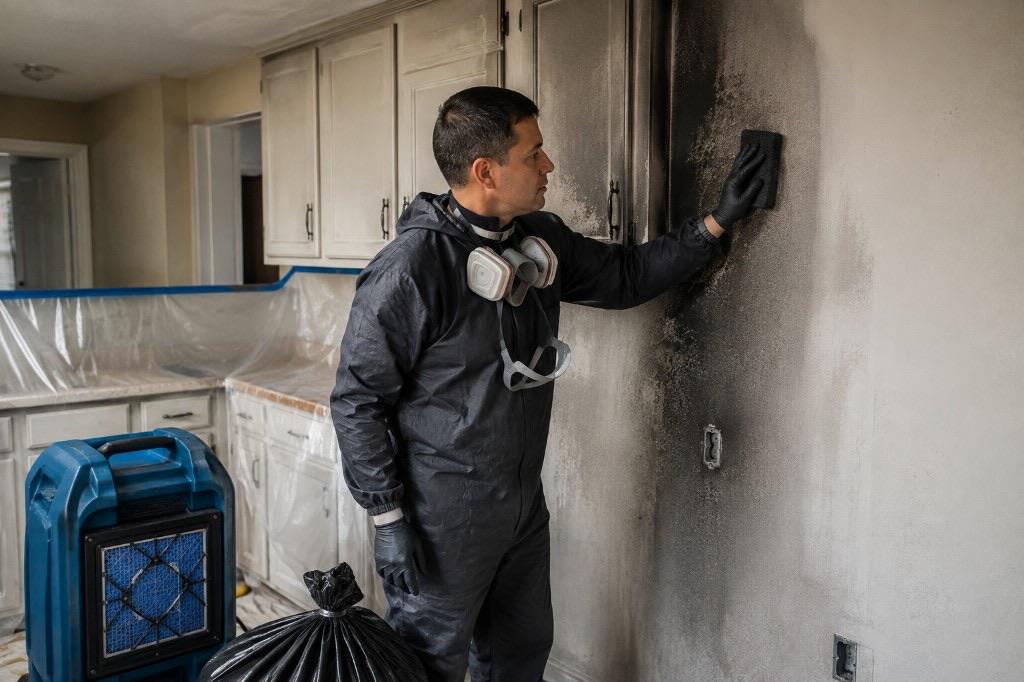
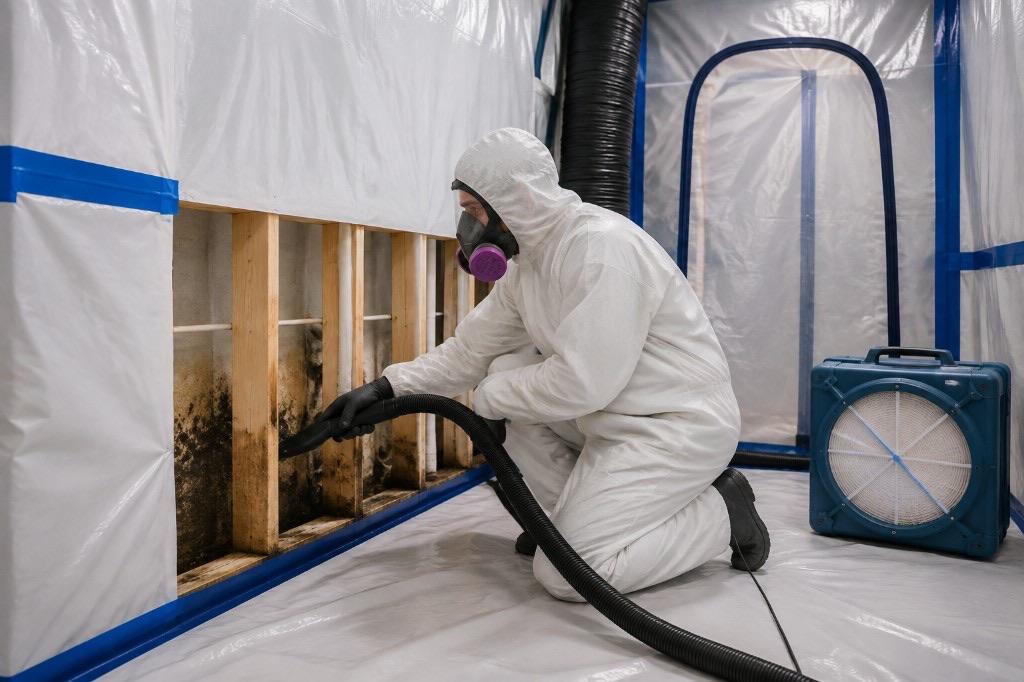
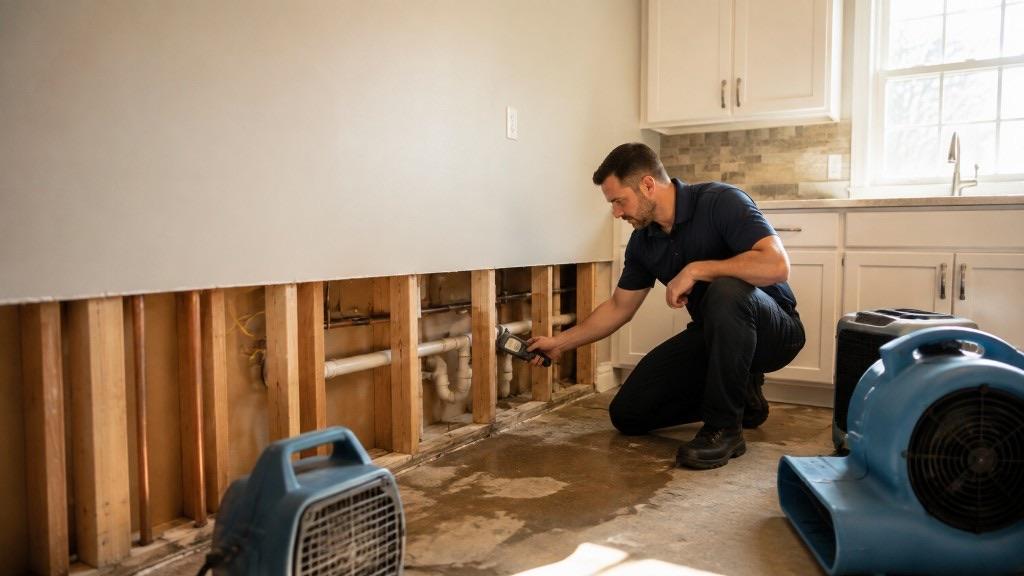
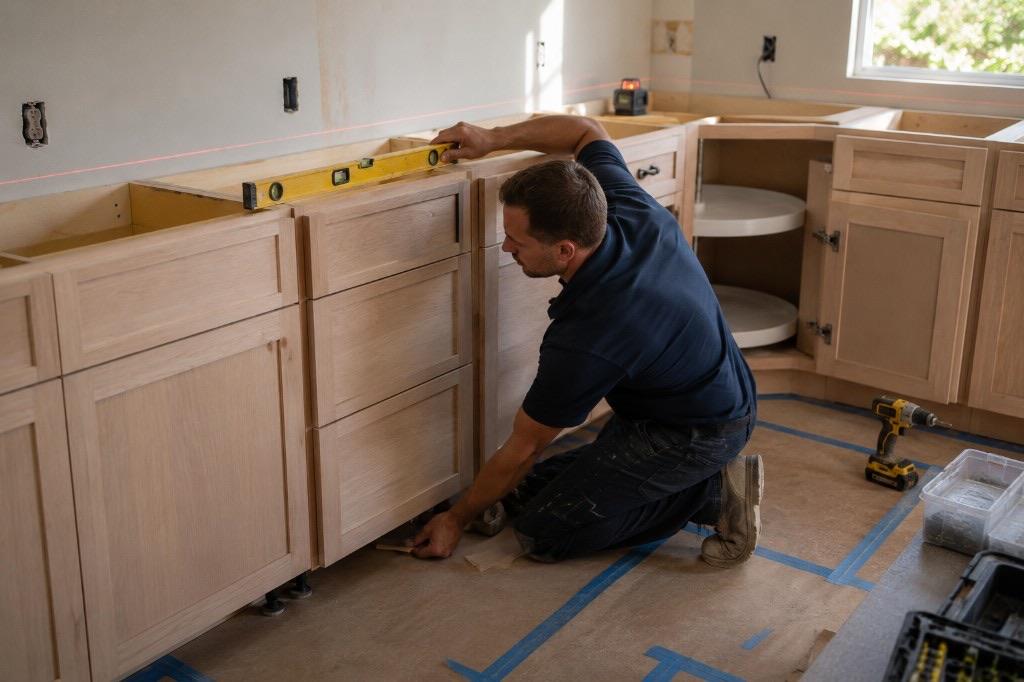
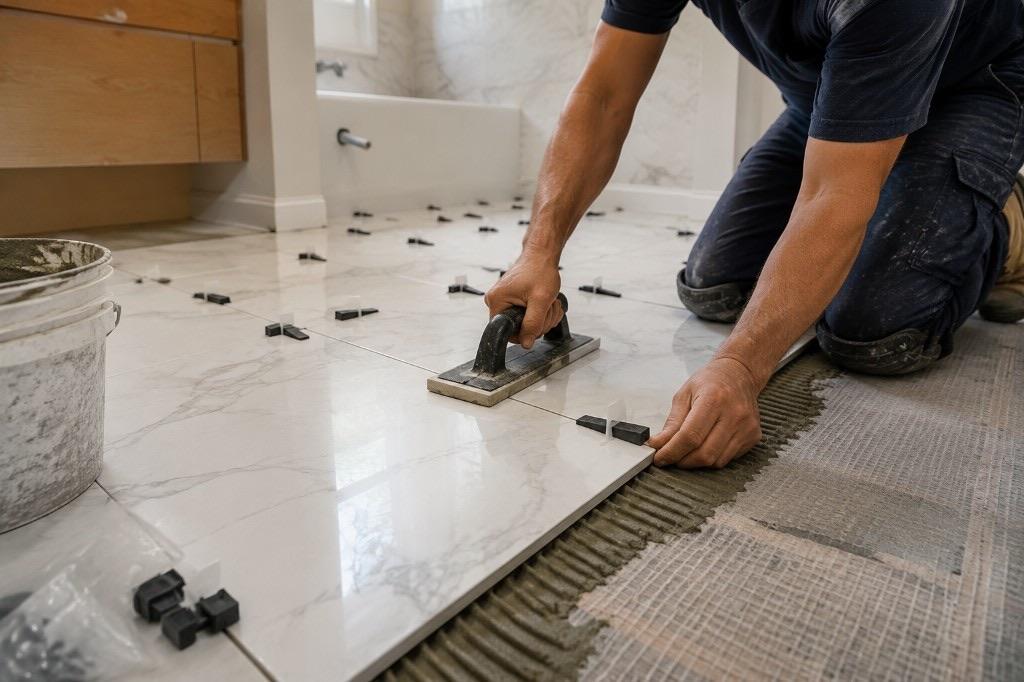
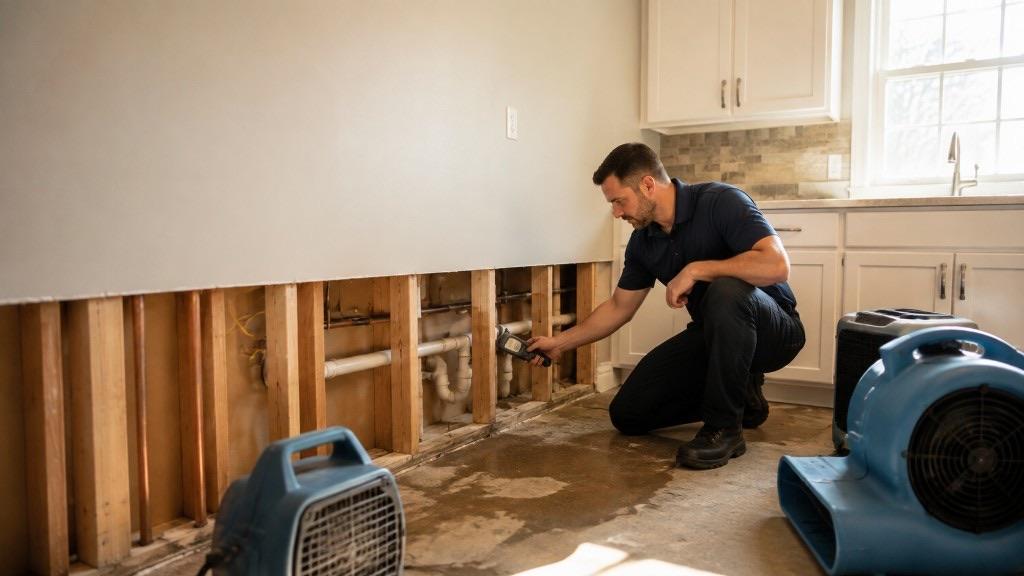
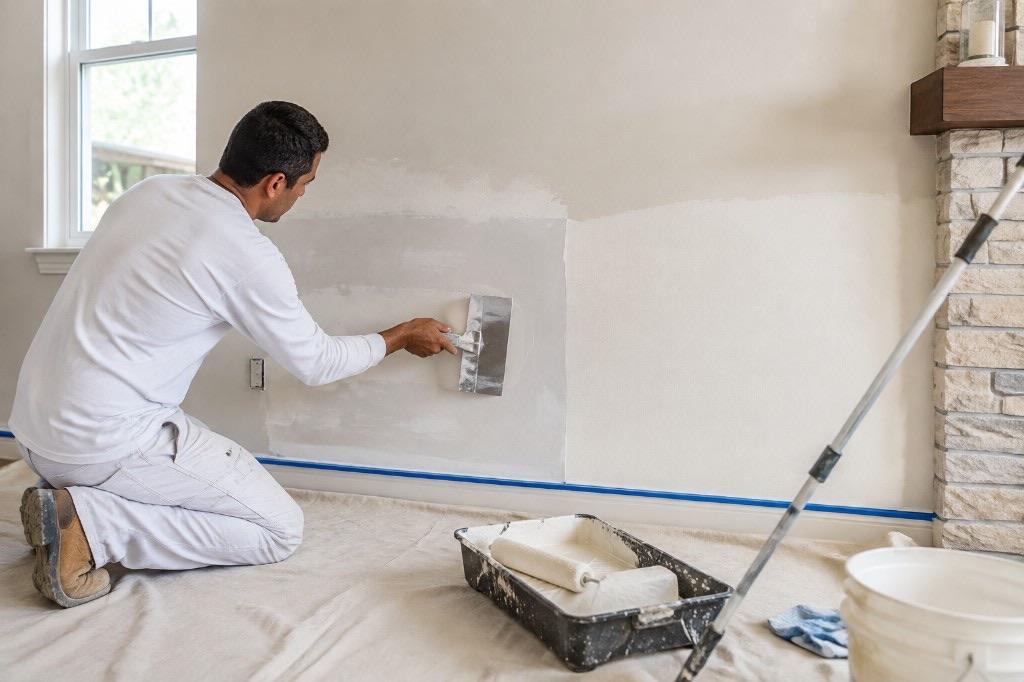
From Uptown condos to Ballantyne subdivisions, we handle water extraction, structural drying, and repairs across Charlotte, and the same team can rebuild what the water damaged.
Water damage in Charlotte rarely looks the same twice.
A 1920s bungalow in Dilworth, a condo in South End, and a new build in Ballantyne fail in different ways. Pick the area closest to you to see what we usually find.
Condos and apartments
Uptown, South End, and other multi-unit buildings
In multi-story buildings, water rarely stays in one unit. A leak can travel through ceilings and walls to the units below, and the building manager or HOA is usually part of the response.
We document each affected unit and work with your property manager or HOA.
What we often see
Supply line and water heater leaks that reach the unit below
HVAC condensate lines in ceilings
Overflowing tubs, sinks, and washing machines on upper floors
Older homes
Dilworth, Myers Park, Plaza Midwood, NoDa
Many homes here were built decades ago and still have original plumbing, older roofs, and crawl spaces. Slow, hidden leaks are common, and they are often found only after a stain or a musty smell appears.
We trace the moisture to its source and check the framing, not only the surface.
What we often see
Aging supply and drain lines inside walls
Roof and flashing leaks after storms
Moisture in crawl spaces and under floors
Newer subdivisions
SouthPark, Ballantyne, and nearby neighborhoods
Newer homes are larger and often have upstairs laundry rooms and bathrooms, so one failed hose or water heater can soak several rooms. Finished lower levels and bonus rooms can hide moisture for a long time.
We dry every affected level and check the rooms below the leak.
What we often see
Water heater and appliance failures
HVAC condensate lines and air handlers
Upstairs supply line leaks that run through ceilings
University City, Steele Creek
University City, Steele Creek, and the edges of the city
These areas mix apartments, townhomes, and single-family homes. Heavy rain and storm runoff are common causes, along with the usual appliance and plumbing leaks.
We stop the water, dry the structure, and rebuild what was damaged.
What we often see
Storm water entering at doors, windows, and garages
Plumbing leaks in townhomes and apartments
Roof leaks during heavy rain
Condo or apartment
Leak in a condo or apartment? Start here.
In a shared building, the first calls matter as much as the first towels.
Do
Tell your property manager or HOA right away so the building can shut off water to the right place.
Shut off the valve to the leaking fixture or appliance if you can.
Photograph and film the damage in your unit before anything is moved.
Check the unit below and your neighbors, because water often travels.
Call your insurer and ask what your policy covers.
Don't
Don't assume the leak stays in your unit.
Don't wait for the building to act while water keeps spreading.
Don't touch outlets or fixtures near standing water.
Don't throw out damaged materials before they are photographed.
What we are called for
The leaks we see most often in Charlotte.
Leak from the unit above
A supply line, water heater, or tub upstairs soaks a ceiling and the walls below.
Water heater failure in a garage or closet
A tank lets go and floods the floor, often reaching nearby rooms.
HVAC condensate overflow
A clogged drain line spills into a closet, attic, or ceiling during the humid months.
Storm water at doors and garages
Heavy rain pushes in under doors, through window seals, and around garage thresholds.
Moisture under an older home
Crawl spaces trap damp air or a slow leak, and the floors above start to cup or smell.
Burst pipe in a freeze
A short hard freeze splits a line in an attic, garage, or exterior wall.
Charlotte weather
Why Charlotte buildings get wet.
Storm season
Summer thunderstorms bring fast, heavy downpours that find failed flashing and window seals.
Late summer and fall can bring the remnants of tropical storms, with days of rain and swollen creeks.
Red clay soil drains slowly, so water can pool against foundations and crawl spaces.
Homes near creeks and low areas may sit in mapped flood zones, which affects insurance.
Cold and humid months
Short hard freezes can split pipes in attics, garages, and exterior walls.
Long, humid summers keep air conditioners running, and condensate lines can clog and overflow.
Humid air slows drying, which is one reason structures are dried with equipment and measured, not left to air out.
Water heaters, supply lines, and appliances fail in every season.
Yes. We work across Charlotte, including Uptown, South End, NoDa, Plaza Midwood, Dilworth, Myers Park, SouthPark, Ballantyne, University City, and Steele Creek. Call us for current availability for your address.
Yes. We document the damage in each affected unit, dry the structure, and work with your property manager or HOA where needed. When water has reached a neighbor's unit, we can explain what that means for your claim.
That depends on your lease or HOA rules and on the insurance policies involved, so it is worth calling your property manager and your insurer early. We document what we find so the responsible party and the insurers have clear information.
Yes. We can coordinate access, document affected units, and provide a written scope of work for the building.
That depends on your policy and the cause. Sudden, accidental damage is often covered differently from a slow leak, and flood damage usually needs separate flood coverage. Your insurer decides, but we document the damage clearly to help the process.
Stay out if the water is near outlets or the electrical panel, and call us. Standing water needs to be pumped out and the structure dried, because basements and crawl spaces hold moisture for a long time and can develop mold.
Water that comes in from outside, especially flood or creek water, is usually contaminated, so affected porous materials are often removed and the area is cleaned and dried. Call us, and keep people and pets out of it until it is assessed.
Not necessarily. A stain can be old, and the source may already have stopped. But a stain means moisture reached that spot, so it is worth having the area checked, because the wet area is often larger than the stain.
Yes. We replace drywall, flooring, trim, and paint ourselves, so you do not need to hire a second contractor.
Yes. Water damage does not wait for business hours, and neither do we. We answer calls 24 hours a day.