24/7 emergency response

Fire Damage Restorationin Kannapolis, NC

Kannapolis was built around Cannon Mills, and its rows of small frame houses sit beside new apartments and subdivisions. We clean soot, treat smoke odor, and rebuild after fires in all of them.

Fire in Kannapolis

Mill rows, new apartments, and farmland edges.

Few cities of this size mix housing as sharply as Kannapolis does. A fire in a 1930s mill house is a different job from one in a new townhome. Choose the description that fits your property.

Small frame homes

The mill-era streets around Downtown Kannapolis

Many houses here were built quickly for mill workers: modest frames, close lot lines, and decades of added wiring. Fire in one house can threaten the next, and smoke soaks into the plain wood and old paint.

We clean the original wood and plaster that can be cleaned and rebuild the remainder so the house keeps its character.

What we often see

  • Added-on wiring and overloaded extension cords
  • Space heaters running through cold nights
  • Flames reaching a neighboring house across a narrow gap

Before the soot sets

Steps that help a Kannapolis fire claim.

Soot is acidic and starts etching surfaces within hours. A little care in the first day pays off later.

Do

  • Tell your insurer, then call us, once firefighters say the building is safe.
  • Film a slow walk through each room before anyone moves anything.
  • Shut doors to rooms the smoke did not reach so the smell stays out.
  • Keep every receipt for hotels, food, and emergency purchases.
  • Make a list of what was in each room while you still remember.

Don't

  • Don't rub walls with a sponge; it grinds soot into paint.
  • Don't turn on the furnace until the ducts have been checked.
  • Don't step on floors that feel soft or look charred underneath.
  • Don't haul charred furniture to the curb before it is photographed.

What we are called for

What starts fires in Kannapolis homes.

What happensWhat it looks like
Space heaters in old housesPoor insulation in older homes pushes people to run portable heaters all night.
Wiring added over decadesCircuits stretched past what the house was built for overheat inside walls.
Cooking left aloneGrease fires start in seconds and cover ceilings and cabinets in soot.
Clogged dryer ventsLint builds in long vent runs and catches fire in the laundry room.
Summer lightningAfternoon storms strike roofs and ignite attic insulation.
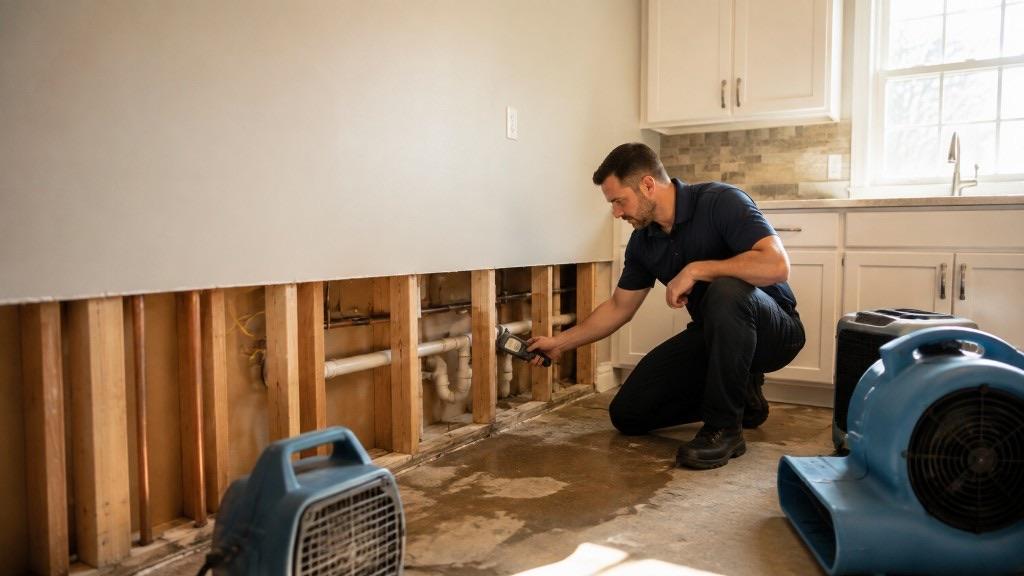
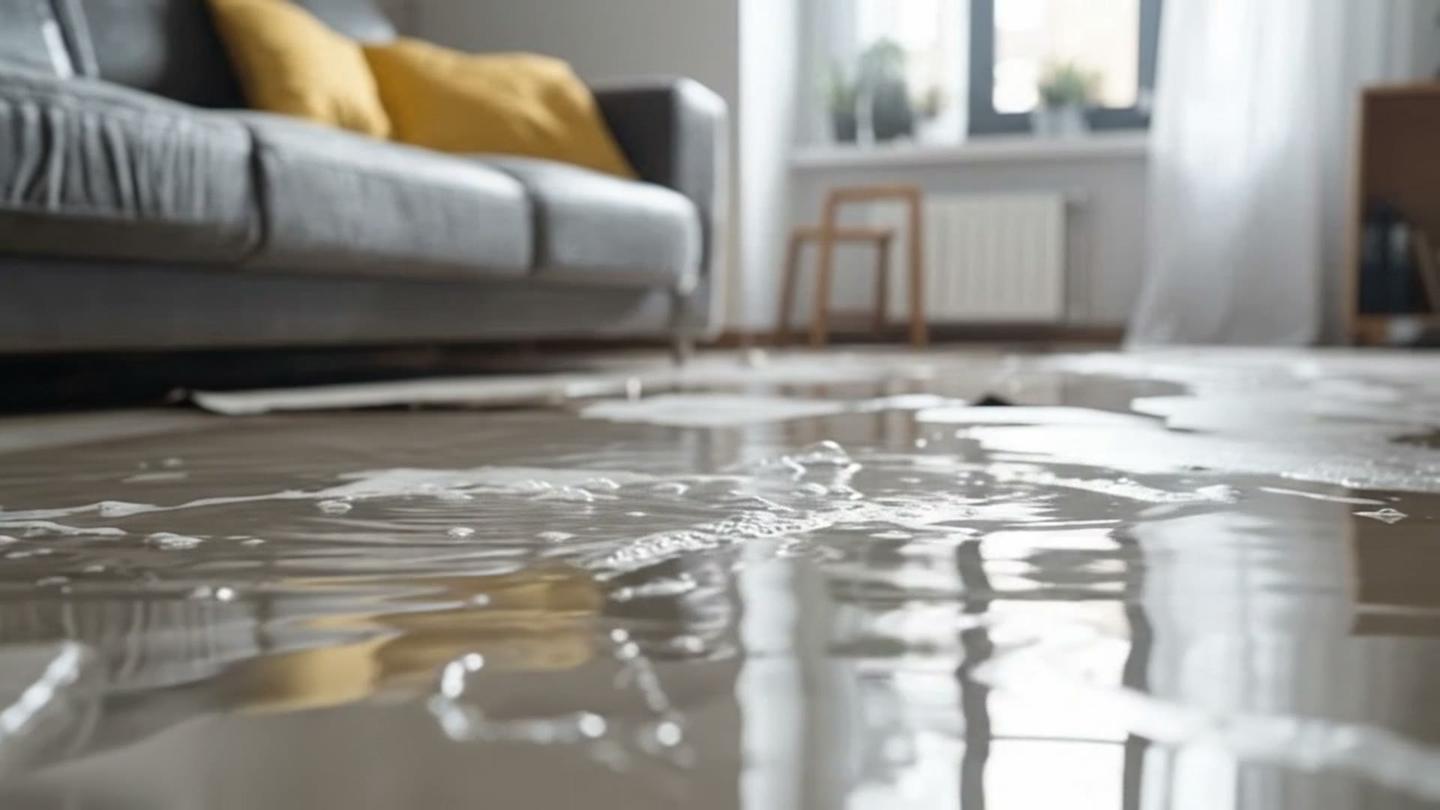
Water left behind by the hosesSoaked ceilings and floors are a second problem that needs fast drying.

Step by step

The work, from the first hour to the last coat of paint.

  1. Step 1

    Respond

    A crew arrives with a plan to secure the property and begin protecting contents. We tell you what to expect before anyone starts work.

  2. Step 2

    Write the scope

    Damage is written down room by room, with photos and moisture readings where water was used. You and your insurer get the same document.

  3. Step 3

    Clean in stages

    Residue is removed from ceilings, walls, floors, and contents, in that order. Items that cannot be cleaned are listed and set aside for your decision.

  4. Step 4

    Dry where water was used

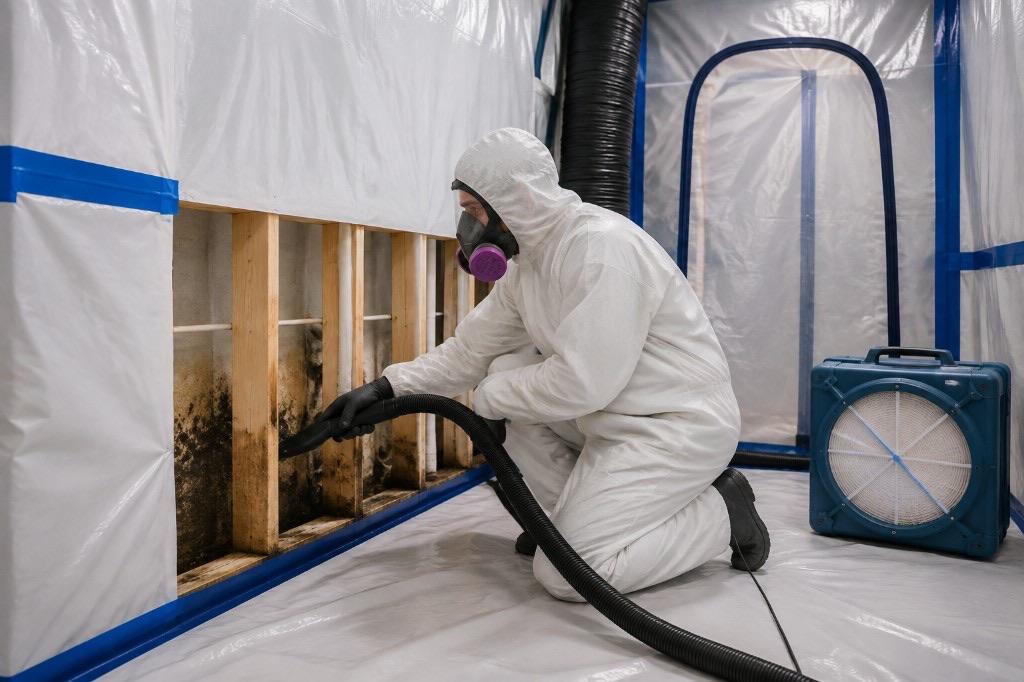
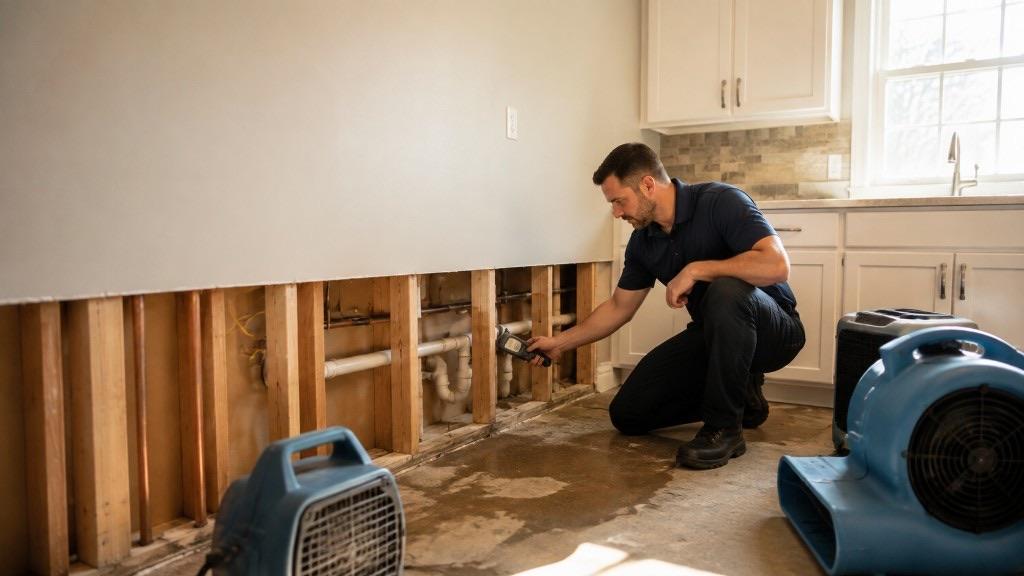
    Firefighting water is dried so mold does not follow the fire. Drying and cleaning are scheduled together so neither waits on the other.

  5. Step 5

    Rebuild and finish

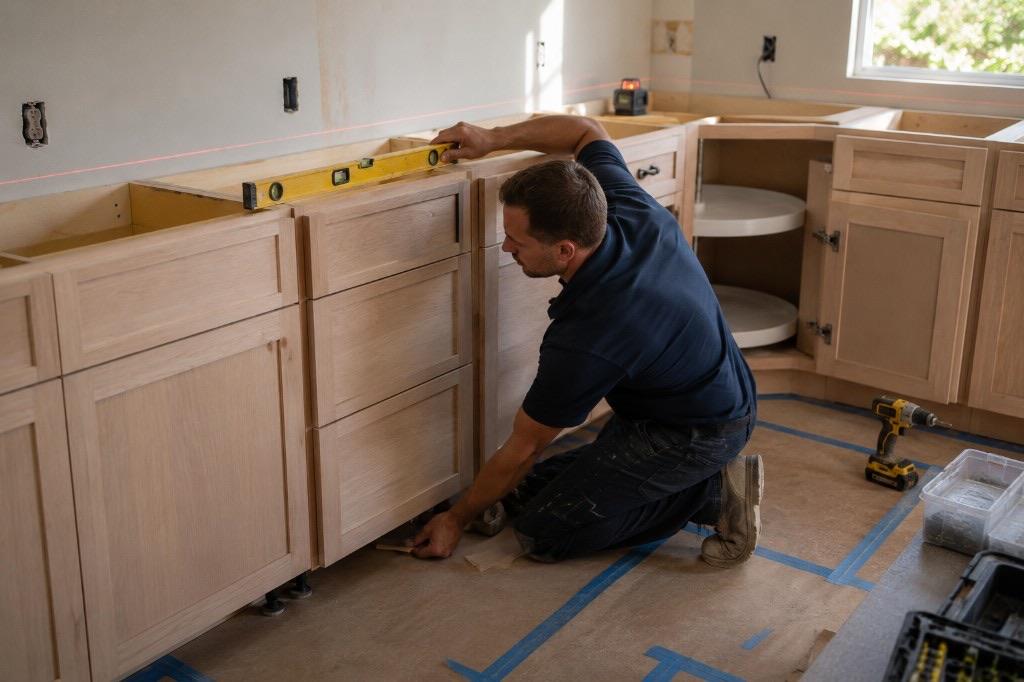
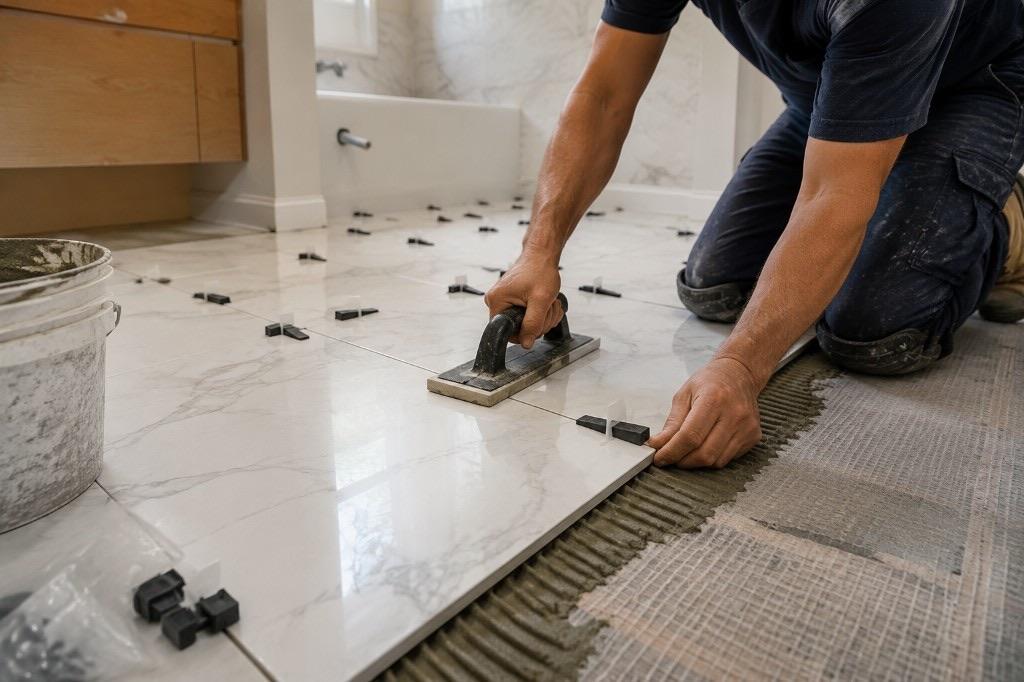
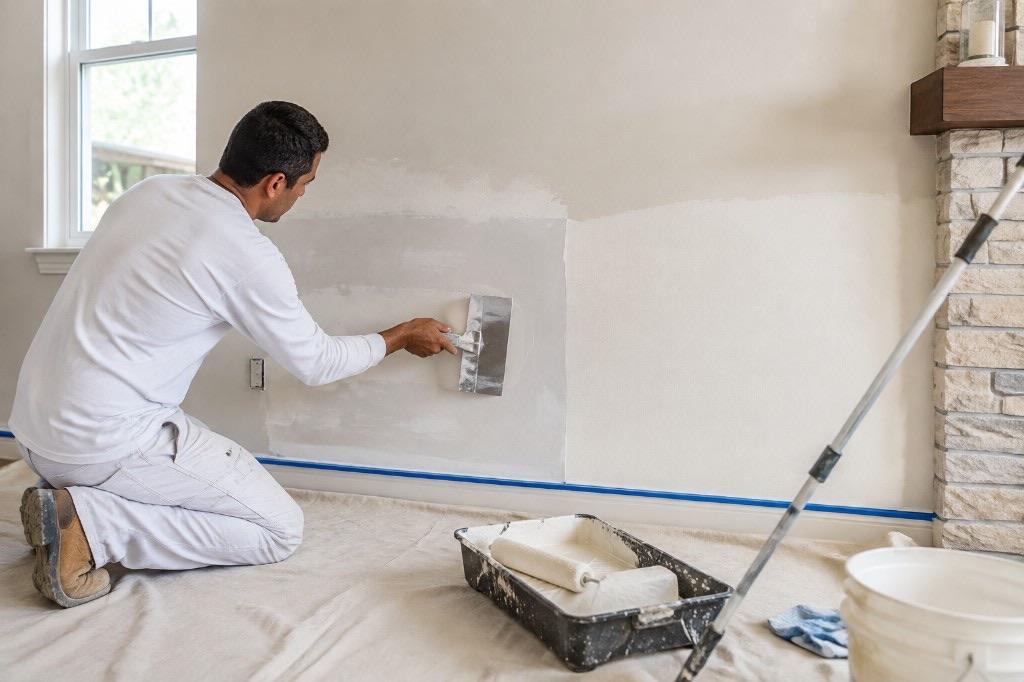
    Repairs and finishes return the home to a condition you chose. If you want changes while walls are open, we plan them in.

More on what we clean, what we replace, and why is in our fire damage guide.

Why it matters here

Fire damage in a city built by a mill.

What the houses are made of

  • Mill-era frames use dry, dense lumber that burns hot and holds smoke.
  • Close spacing between houses lets embers and heat jump the gap.
  • New apartments hide long ceiling voids that let smoke travel unseen.
  • Vaulted ceilings in new homes give soot a lot of surface to settle on.
What the year brings

  • Winter nights push heater and stove use in leaky older houses.
  • Spring and summer storms bring lightning strikes to roofs and attics.
  • Hose water left in walls turns into mold within a few days in humid weather.
  • Open windows after a fire bring in humidity that speeds corrosion of metal.

Had a fire in Kannapolis?

We answer around the clock. Call now, or send a request and we will respond.

Before you call

A short list before we arrive.

Leave the cleaning to us

The best help you can give is to protect what is left and avoid wiping or scrubbing.

  • Stay out of unsafe areasSoft floors, charred framing, and standing water are hazards.
  • Keep the HVAC offA running system moves smoke through the whole house.
  • Do not wipe sootWiping presses it into the surface.
  • Take photos from a safe spotFrom doorways, not from inside damaged rooms.
  • Write down what you noticeSmells, stains, and what you saw happen.

Paperwork

Insurance for Kannapolis fire losses.

Homeowners and renters

  • Most homeowners policies cover fire, but terms differ, so call your insurer early.
  • Many policies also cover temporary housing while the home cannot be lived in.
  • Keep receipts for emergency expenses and the things you replace.
  • We document with photos and a written scope. Your insurer decides coverage.

Landlords and condo owners

  • Building policies and unit policies usually cover different things.
  • Ask your association or manager where the line is drawn.
  • Tell every insurer involved, and keep copies of what you send.
  • We can document each affected unit for the people who need the records.

Where we work

Kannapolis areas we serve.

Check with us if your area is not listed. Nearby communities we serve include Concord, Charlotte, Mooresville, and Huntersville.

(980) 282-9637
  • Downtown Kannapolis
  • North Carolina Research Campus area
  • Dale Earnhardt Boulevard
  • Mill-village neighborhoods
  • Highway 29 corridor
  • Centergrove Road
  • Rowan County side
  • Landis and China Grove

FAQ

Kannapolis questions

Not covered here? Ask us directly, day or night.

(980) 282-9637

Yes. We work across Kannapolis, including Downtown Kannapolis, North Carolina Research Campus area, Dale Earnhardt Boulevard, Mill-village neighborhoods, Highway 29 corridor, and Centergrove Road. Call us for current availability for your address.

Often it can. We clean the original wood, trim, and plaster that clean up well, and replace the rest with materials chosen to blend in. We explain which is which before starting.

Your insurer and the building owner decide coverage and responsibility. We document your unit's damage in its own scope so each party has the records they need.

Yes. We bring lifts or scaffolding where walls and ceilings are too high to clean from the floor, and we clean fixtures and fans above head height.

Often, yes. We serve Kannapolis and nearby communities. Call with your address and we will confirm.

Yes. Even a small fire can leave greasy soot and odor in cabinets, ducts, and the ceiling. A short visit tells you whether it needs professional cleaning.

Most homeowners policies cover fire, but terms differ. Your insurer decides what is covered, and we document the damage and the work clearly to help the process.

As soon as the fire department says it is safe. Soot and moisture start damaging surfaces within hours, and early action keeps more of your property cleanable.

Yes. One company for cleanup and rebuild means fewer handoffs and fewer delays.

Yes. Call any time and a person picks up.

ABC Experts logo

Who is behind this page

ABC Experts LLC

Water, fire, and mold restoration plus remodeling for Charlotte-area homes and businesses, from emergency cleanup to the finished repair.

We answer calls 24 hours a day.

Request fire damage restoration in Kannapolis

Tell us what happened and we will respond.

Water or fire emergency? Call day or night(980) 282-9637
  • Free written estimate
  • Emergency calls answered at any hour
  • Clear paperwork for insurance
Call Now