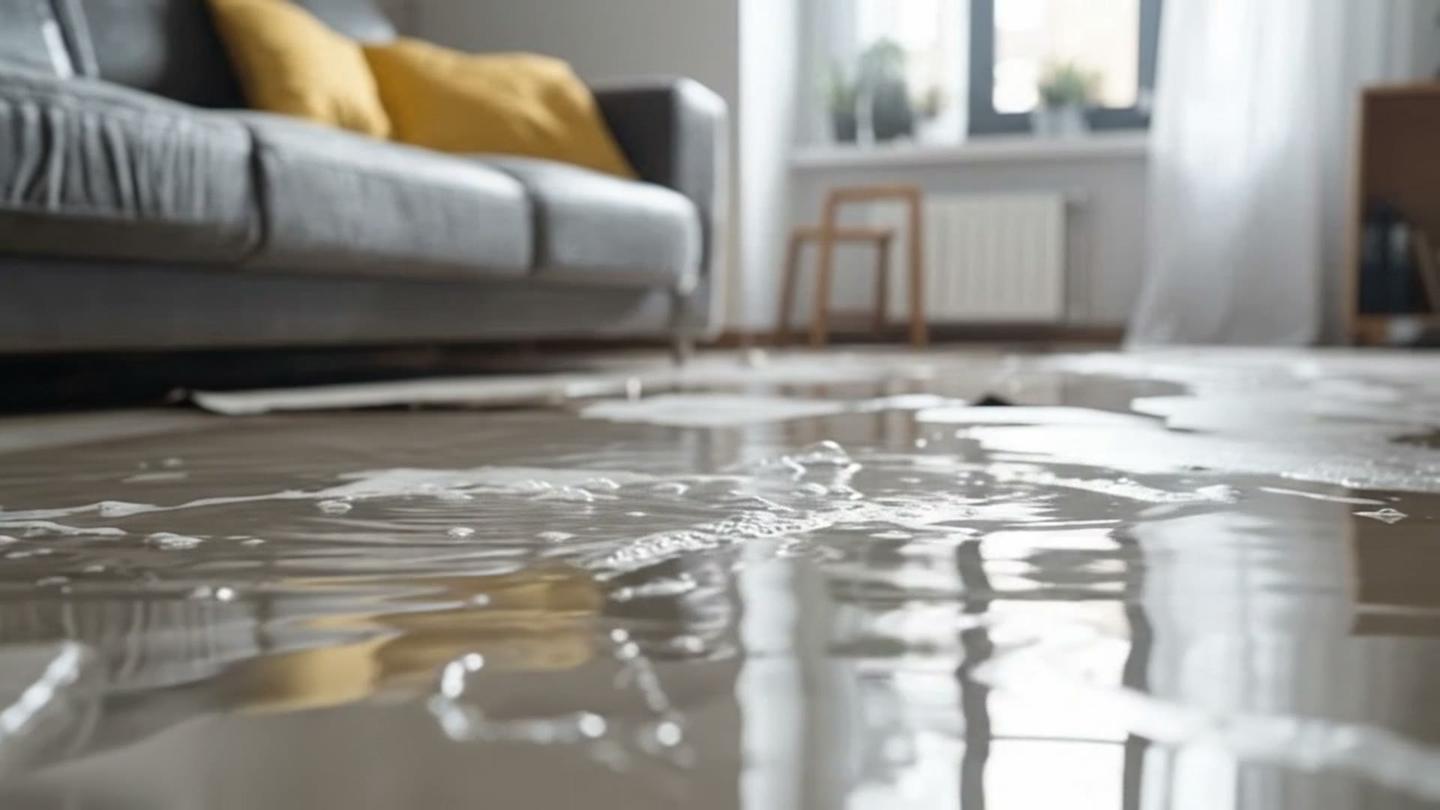
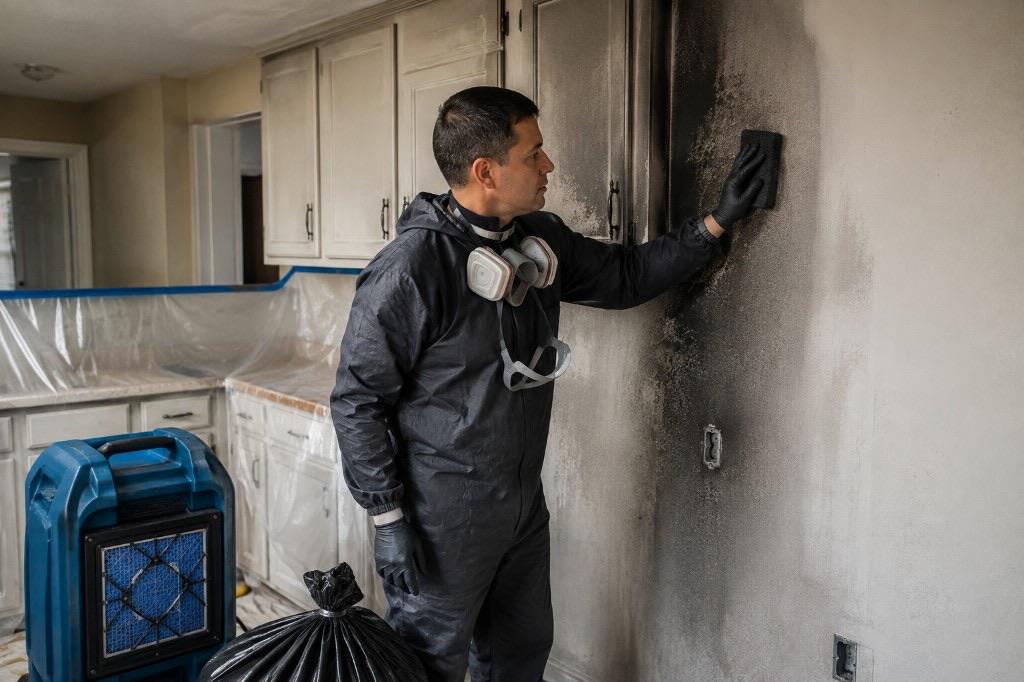
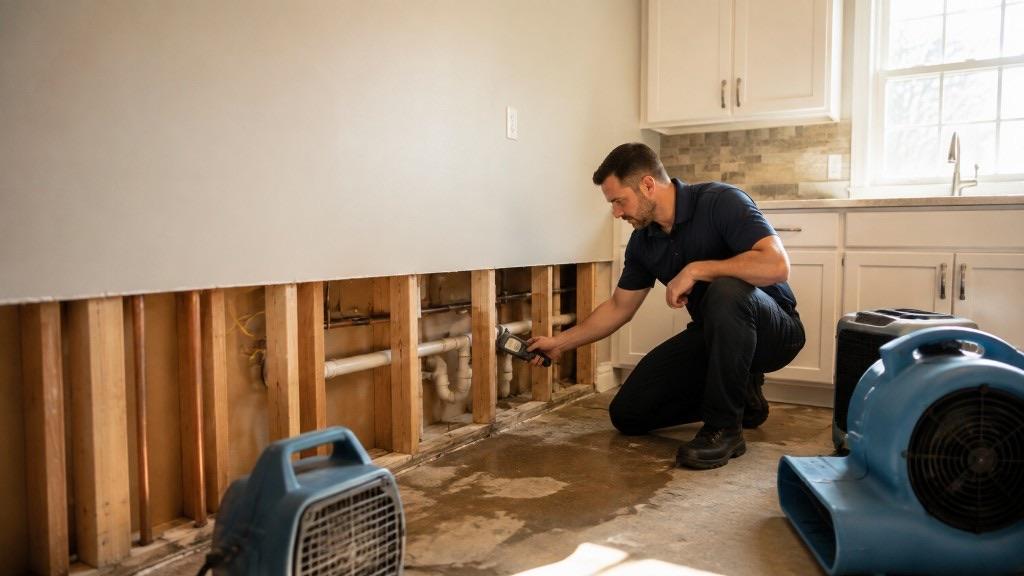
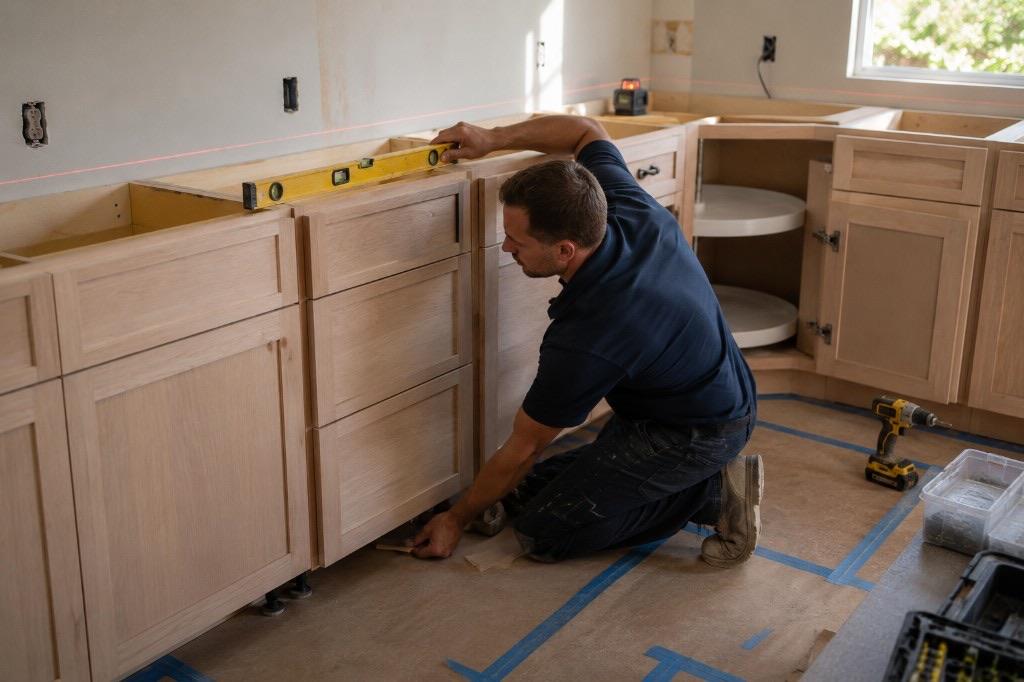
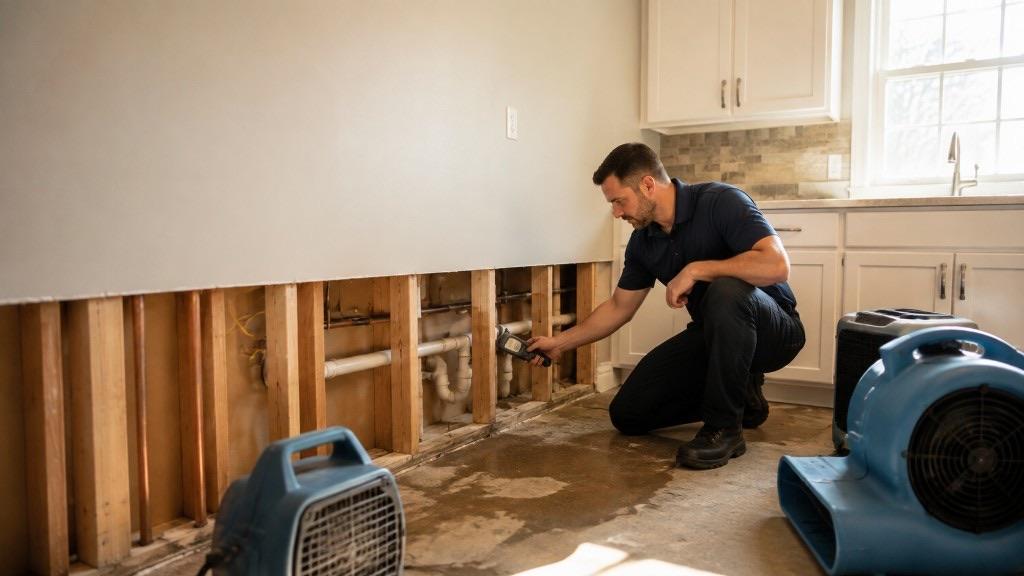
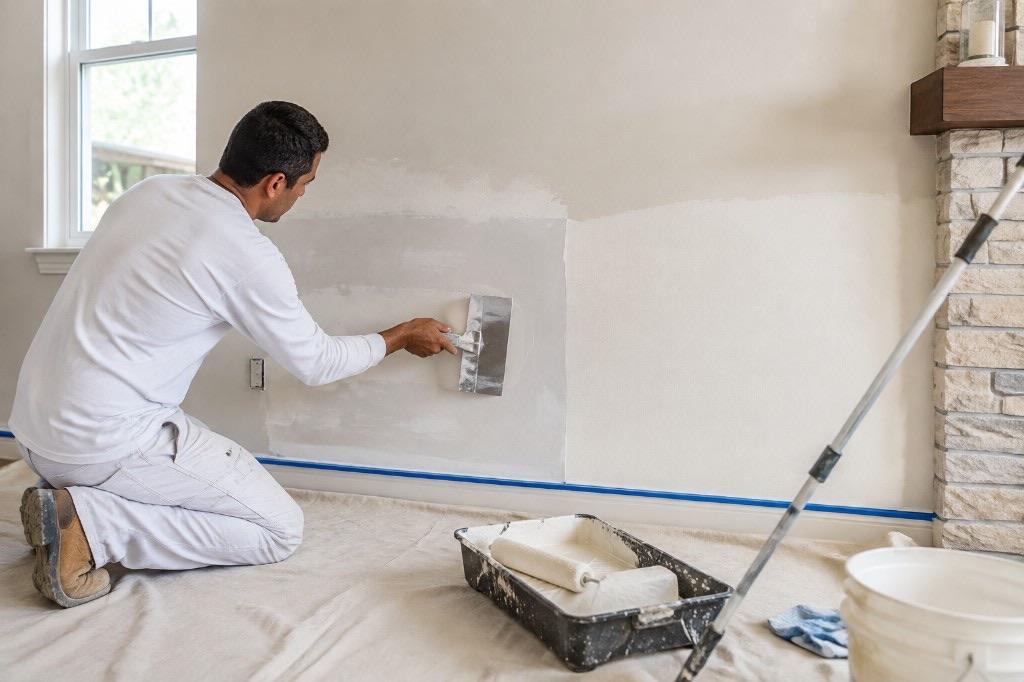
Kannapolis has low mill-era houses, newer apartments near the Research Campus, and tight subdivisions off Dale Earnhardt Boulevard, and each one holds moisture in a different place. We find it, remove the mold it fed, and rebuild.
Low houses, tight apartments, and damp farm edges.
The housing here is wide-ranging, and so are the places mold hides. A house built for a mill family a century ago and an apartment built last year can both smell musty, for completely different reasons.
Older small homes
Mill-era houses around Downtown Kannapolis
Small frame houses sit low, with shallow crawl spaces and uneven grading around them. Rain pools near the foundation, gutters spill beside the wall, and damp air rises through the floors into closets and corners where nobody looks.
We dry and clean the structure, remove what cannot be saved, and recommend simple fixes for water and ventilation.
Where it shows up
Shallow crawl spaces with standing moisture
Gutters that empty right beside the foundation
Porch and roof leaks that wet the wall behind
Newer multi-unit
Apartments and townhomes near the Research Campus
Tightly built units rely on mechanical ventilation. Leaks from above and clogged condensate lines spread moisture through shared ceilings, and the first sign is often a smell rather than a stain, which makes it hard to trace.
We document each unit, contain the work, and coordinate with owners and managers so residents are disturbed as little as possible.
Where it shows up
Condensate lines that clog and overflow
Leaks from the unit above that soak ceilings
Bathroom exhaust that never leaves the building
Newer houses
Neighborhoods off Dale Earnhardt Boulevard
Tight new houses trap moisture from cooking and showers. Cold ducts in hot attics sweat in summer, and the drips soak insulation and ceilings without any visible stain, so the problem can run for a season before anyone sees it.
We trace the moisture, remove what it soaked, and suggest ventilation fixes that suit the house.
Where it shows up
Attic ducts that drip condensation
Window leaks that never show on the inside
Bathroom ceilings above weak or missing fans
Farm and acreage
Farms and larger lots toward the county lines
Basements, wells, and old farmhouses sit in low spots where water collects after storms. Outbuildings and workshops may stay damp for years before anyone looks, and mold quietly takes over stored goods and framing.
We dry and clean the structure and talk through exterior water control.
Where it shows up
Basement seepage after long rain
Well and pressure tank leaks
Damp outbuildings and sheds with stored goods
What we are called for
Where mold shows up around Kannapolis.
Crawl spaces
Low, damp crawl spaces under older homes feed growth on wood and insulation.
Plumbing leaks
Slow drips in walls and under sinks keep framing wet for months.
Condensation
Cold ducts and windows collect moisture in humid summer weather.
Roof leaks
Rain through small gaps wets insulation and ceilings unseen.
Bathrooms
Weak exhaust leaves moisture on ceilings after every shower.
Past leaks
Areas that were not dried completely can grow mold weeks later.
Keep it calm
What helps in Kannapolis before we visit.
Avoid disturbing the growth. These steps are safe and make the inspection more useful.
Do
Stop leaks you can reach and dry wet surfaces with towels.
Run a dehumidifier in the affected room with the door shut.
Take dated photos of the growth and any stains nearby.
Keep anyone with breathing problems out of the area.
Call us for an inspection and a plan before any cleanup.
Don't
Don't wipe it dry or sand it, which spreads spores.
Don't blow air across it with a fan.
Don't paint over it while the cause is still there.
Don't run the HVAC if the growth is close to a vent.
Local context
Conditions in Kannapolis.
Climate and soil
Humid summers keep indoor air damp without dehumidification.
Frequent storms test roofs and gutters.
Mild winters mean mold stays active all year.
Clay soil drains slowly and holds water near foundations.
Housing
Low mill houses have little airflow under the floor.
Tight apartments depend on mechanical ventilation.
Sealed new homes trap moisture from daily use.
Farm properties have basements, wells, and outbuildings.
Also covering: Dale Earnhardt Boulevard · Mill-village neighborhoods · Highway 29 corridor · Centergrove Road · Rowan County side · Landis and China Grove
Yes. We work across Kannapolis, including Downtown Kannapolis, North Carolina Research Campus area, Dale Earnhardt Boulevard, Mill-village neighborhoods, Highway 29 corridor, and Centergrove Road. Call us for current availability for your address.
Yes. We inspect crawl spaces and framing, remove what cannot be saved, and discuss moisture control that suits a small older house, such as drainage and ventilation fixes.
Yes. We document each unit, contain the work, and coordinate with owners and managers.
Often, yes. Call with your address and we will confirm availability.
We clean ducts affected by mold as part of the work and fix the moisture that caused it so it does not return.
Yes. We replace drywall, insulation, and finishes, so you do not need a second contractor.
It can be, especially for people with asthma, allergies, or weak immune systems. Mold also damages building materials, so it is best removed and the moisture fixed.
Bleach does not solve the underlying problem, and on porous materials it does not reach the roots. Mold usually comes back unless the moisture is fixed and the material is removed or properly cleaned.
Inspection comes first. Testing is useful in some cases, and we will tell you when.
Only if the conditions come back. We fix or advise on the moisture issue so the area stays dry.