24/7 emergency response

Fire Damage Restorationin Rock Hill, SC

Rock Hill combines a historic downtown, a university district full of rentals, and fast-growing subdivisions. We clean soot, treat smoke odor, and rebuild after fires across York County's largest city.

Fire in Rock Hill

A college town with an old center.

The houses near Winthrop University, the brick buildings of Old Town, and the new neighborhoods off Celanese Road have little in common. Each burns differently and needs a different kind of cleanup.

Historic houses

Old Town and the streets around it

Older homes here have deep porches, plaster walls, wood floors, and attics that connect several rooms. Fire runs through old framing, and smoke settles deep into plaster and bare wood where it can linger for years.

We test surfaces first, clean the plaster and trim worth saving, and match finishes where repairs are needed.

What we often see

  • Fireplaces and chimneys that were never relined
  • Wiring that has been added to rather than replaced
  • Attic fires that creep along open framing

Once the fire is out

First steps after a Rock Hill fire.

Soot and moisture start to do lasting harm within hours. These moves limit it while you sort out the claim.

Do

  • Report the loss to your insurer and call us as soon as it is safe to enter.
  • Take photos and video of every room, including ones that look fine.
  • Move clean valuables to a room the smoke did not reach.
  • Keep receipts for hotels, meals, and emergency purchases.
  • Write down the smells, stains, and hot spots you notice.

Don't

  • Don't climb damaged stairs or walk into rooms with sagging ceilings.
  • Don't use household cleaners on soot; they often set it into the surface.
  • Don't switch the heat or air on until the ducts have been checked.
  • Don't throw out burned belongings before they are listed and photographed.

What we are called for

What starts fires around Rock Hill.

What happensWhat it looks like
Unattended cookingPans left on a burner start fast fires, especially in busy rentals and shared houses.
Overloaded cords and outletsPower strips and old outlets overheat behind furniture where nobody sees them.
Space heatersCold nights lead to heaters too close to bedding, curtains, and clothing.
Dryer firesLint and blocked vents cause laundry-room fires that move quickly into the walls.
Lightning strikesSummer thunderstorms ignite roofs and attics in houses of every age.
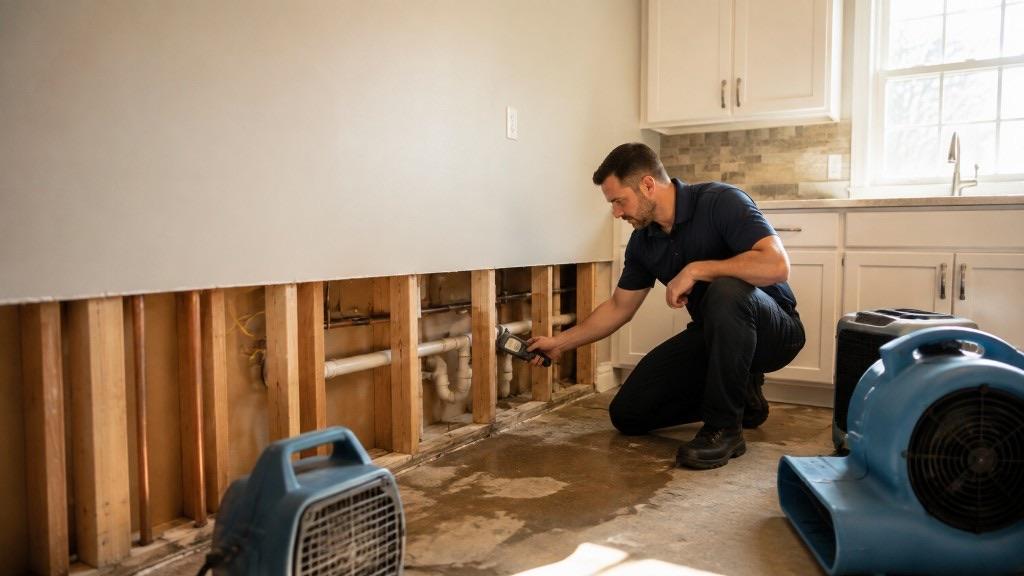
Firefighting waterWater used to put out the fire soaks floors and ceilings and must be dried quickly.

Our process

How we move from emergency to finished rooms.

  1. Step 1

    Make it safe

    Open walls, broken windows, and unsafe areas are secured before any cleaning starts. If the roof was damaged, we cover it so rain does not add to the loss.

  2. Step 2

    Test the surfaces

    We identify what kind of residue is on each surface before choosing a cleaner. The wrong product can set soot into a finish instead of removing it.

  3. Step 3

    Clean and filter

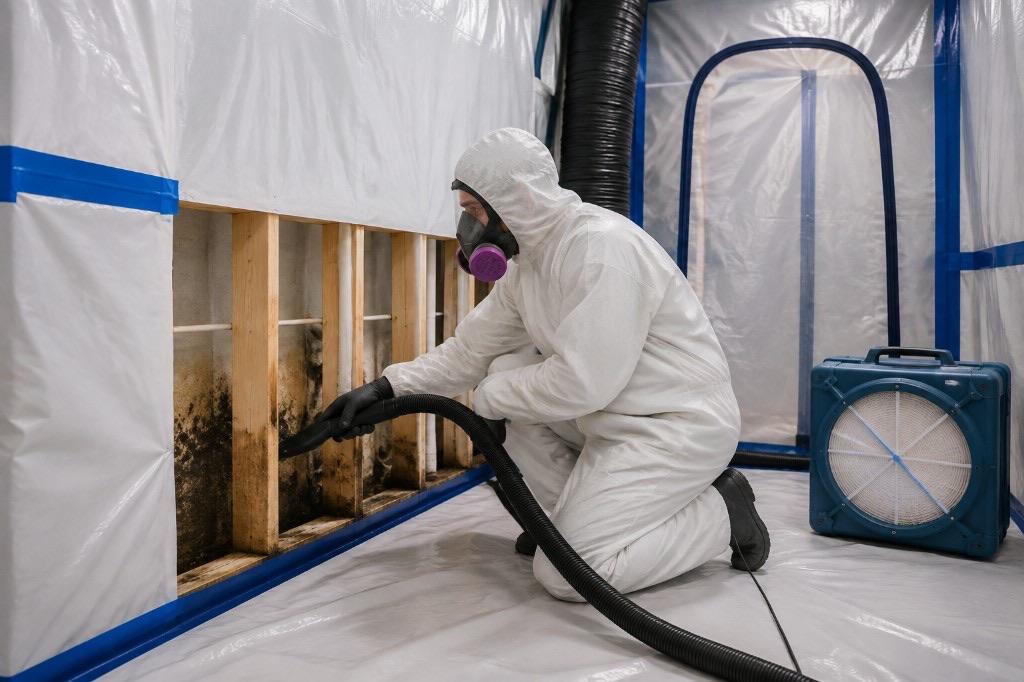
    HEPA vacuums and air scrubbers capture fine soot while surfaces are cleaned. Ducts and returns are checked so smoke does not come back later.

  4. Step 4

    Treat the odor

    Deodorizing is matched to the room, the materials, and who will use it. We keep people and pets out during treatments that need it.

  5. Step 5

    Put the home back

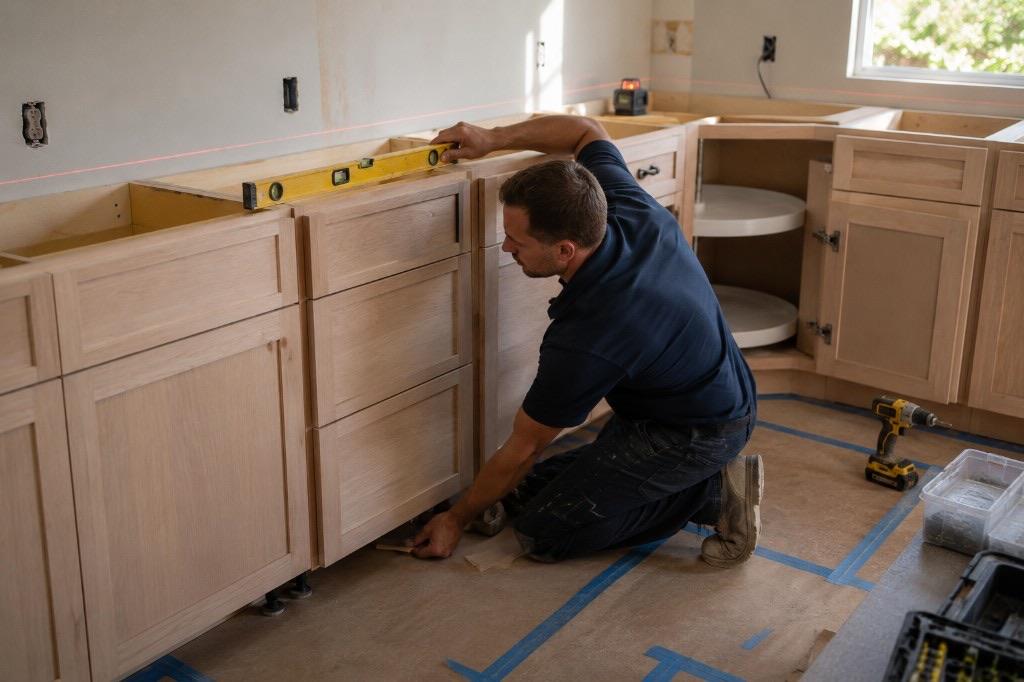
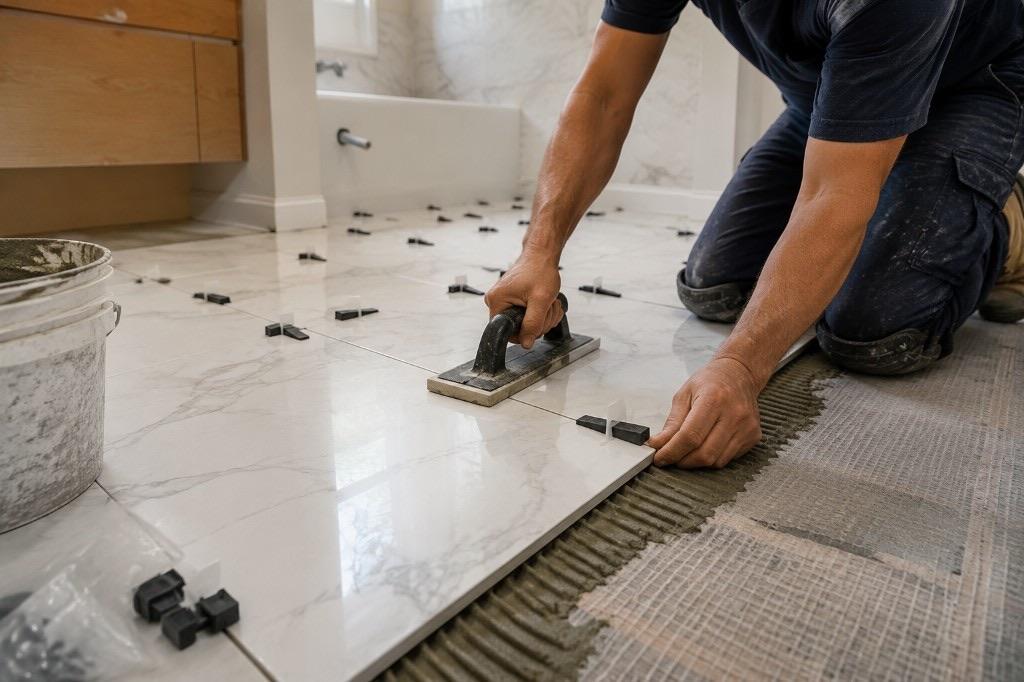
    Repairs, paint, and flooring bring the rooms back to a finished state. You get a final walk-through and a list of what was done.

For a deeper look at cleaning methods and belongings, see our fire damage restoration guide.

Why it matters here

Fire damage in a York County college town.

Property types

  • Old Town homes have plaster and wood that absorb smoke odor.
  • Student rentals combine heavy appliance use with many occupants.
  • New subdivisions share air handlers that spread soot through the house.
  • Larger lots have workshops, boat sheds, and wood stoves.
Timing

  • Move-in and move-out weeks bring cooking and cord-related fires.
  • Cold months raise heater and fireplace use.
  • Summer storms bring lightning-related fires to roofs and attics.
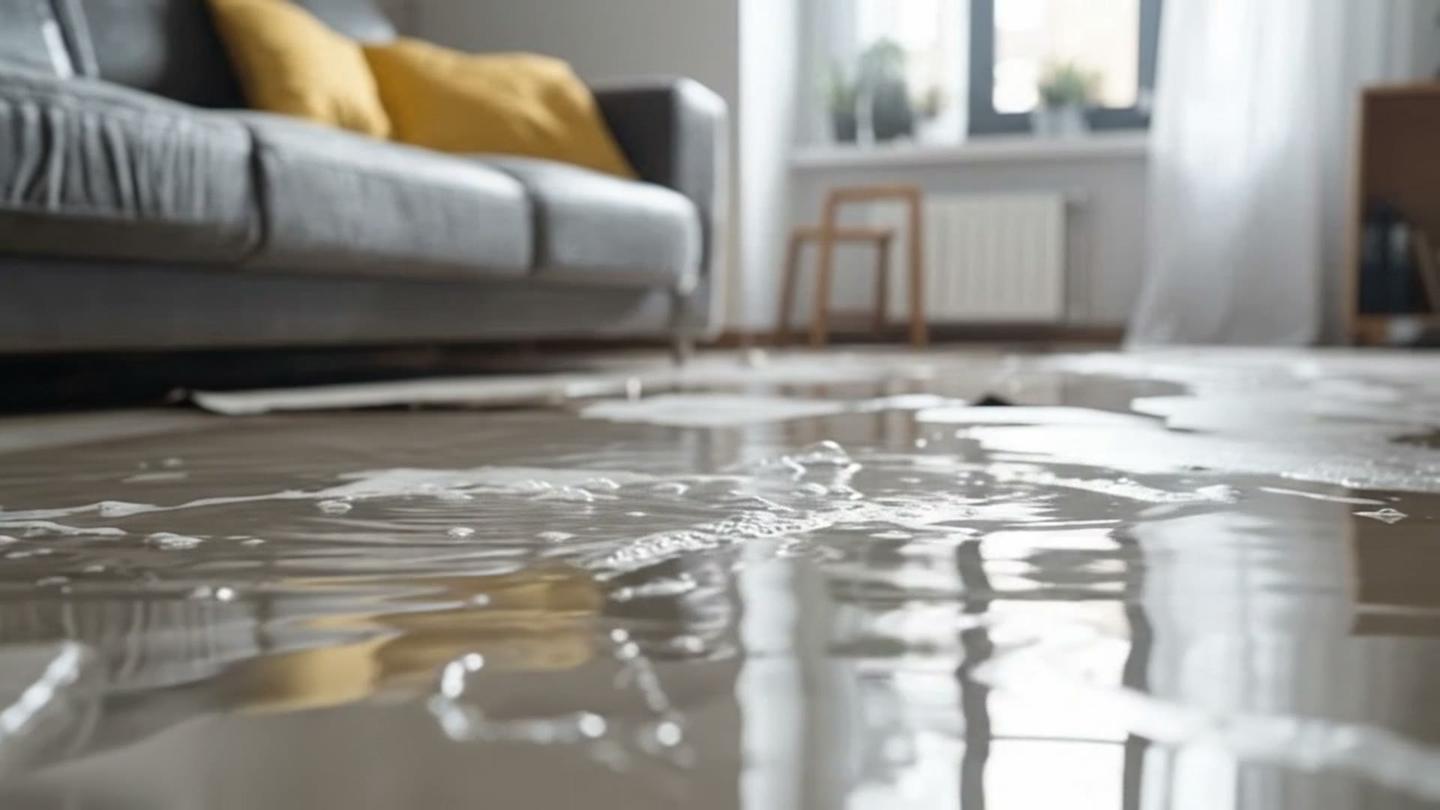
  • Firefighting water needs drying within days to prevent mold.

Fire damage in Rock Hill?

Call any hour, or send a request and we will get back to you.

Before you call

Having this ready speeds things up.

Call first, gather second

Details can follow. We start with what you know and fill in the gaps together.

  • Location and accessStreet address and a phone number that reaches you.
  • The cause, if knownCooking, heating, electrical, or unknown.
  • What the fire department saidWhether power and gas are off and the building is safe.
  • What is wetFirefighting water adds a second problem we plan for.
  • Insurance detailsCarrier and policy number if you have them handy.

Claim paperwork

Paperwork after a house fire in Rock Hill.

Your side

  • Report the loss and keep the claim number in one place.
  • Make a list of damaged belongings with ages and approximate values.
  • Keep receipts for hotel, food, and emergency purchases if your policy allows them.
  • Read the deadlines in your policy for proof of loss.

Our side

  • A written scope of work for the cleanup and repairs.
  • Photos taken before, during, and after the work.
  • Invoices that match the scope.
  • A willingness to talk with your adjuster when you ask.

Where we work

Rock Hill areas we serve.

Not sure your address is covered? Call us. We also serve the communities around Rock Hill, including Fort Mill, Charlotte, Gastonia, and Matthews.

(980) 282-9637
  • Old Town Rock Hill
  • Winthrop University area
  • Cherry Road
  • Celanese Road
  • Dave Lyle Boulevard
  • Manchester Village
  • Riverwalk on the Catawba
  • Neighborhoods across York County

FAQ

Rock Hill questions

Want to talk it through? We are on the phone around the clock.

(980) 282-9637

Yes. We work across Rock Hill, including Old Town Rock Hill, Winthrop University area, Cherry Road, Celanese Road, Dave Lyle Boulevard, and Manchester Village. Call us for current availability for your address.

Tell your landlord and your renter's insurer, then call us for an assessment. We document the damage unit by unit, which helps both the owner's claim and yours.

Often, yes. We test a small area first, clean what responds, and tell you plainly before replacing anything. Matching old trim and flooring is part of the rebuild.

Often, yes. Call with your address and we will confirm availability and arrival time.

Your policy and your insurer decide coverage, no matter which state you are in. We supply photos, a room-by-room scope, and invoices in a form adjusters expect.

Yes. Drywall, flooring, paint, and trim are our work, so a single company runs the whole project.

Most homeowners policies cover fire, but terms differ. Your insurer decides what is covered, and we document the damage and the work clearly to help the process.

Early. Waiting lets residue settle into porous materials, and the cleanup gets harder and more costly.

Yes. We handle the rebuild from framing and drywall to paint, and we can update the room if you want.

Yes. Nights, weekends, and holidays included.

ABC Experts logo

Who is behind this page

ABC Experts LLC

ABC Experts LLC cleans up and rebuilds after water, fire, and mold damage around Charlotte. The crew that starts the job also finishes it.

Our phone is answered day and night.

Request fire damage restoration in Rock Hill

Fill in the form and we will get back to you.

Emergency? Call, 24/7(980) 282-9637
  • Free estimates
  • Fast response, day and night
  • Insurance-friendly documentation
Call Now