24/7 emergency response

Fire Damage Restorationin Gastonia, NC

Gastonia grew around its textile mills, and the small frame houses built for mill families still fill many streets. We clean soot, treat smoke odor, and rebuild fire-damaged homes and businesses across Gaston County.

Fire in Gastonia

Mill-village houses and a growing county.

A fire in a 1920s mill house leaves a different mess than one in a new subdivision off Union Road. The age of the building, how it was wired, and how the rooms connect all decide how far smoke travels and what can be saved.

Older small homes

Mill-village houses around Loray Mill and downtown

Many of these houses were built close together on narrow lots with plain framing and decades of added wiring. Fire can jump a short gap to the next house, and smoke soaks into bare wood, plaster, and many coats of old paint.

We clean original wood and plaster that responds to cleaning and rebuild the rest so the house keeps its look.

What we often see

  • Wiring added room by room over the years
  • Portable heaters in rooms with little insulation
  • Fire spreading to a house a few feet away

In the first day after the fire

What helps in a Gastonia fire cleanup.

Soot is acidic and begins damaging surfaces within hours, so what you do in the first day matters.

Do

  • Tell your insurer, then call us as soon as firefighters say it is safe.
  • Photograph each room before anything is moved or thrown out.
  • Take medicine, keys, and important papers out if you can reach them safely.
  • Open windows on the dry side of the house if it is safe to do so.
  • Start a list of costs for hotel stays, meals, and emergency supplies.

Don't

  • Don't step on floors that feel soft or have burned through underneath.
  • Don't wipe soot from walls, fabric, or windows; it smears and sets.
  • Don't use outlets, cords, or appliances that were wet or near the fire.
  • Don't haul burned furniture to the curb before the adjuster has seen it.

What we are called for

What starts fires in Gastonia homes.

What happensWhat it looks like
Space heaters and wood stovesDrafty older homes push people to run heaters all night, close to bedding and curtains.
Aging wiringOld circuits in mill-era houses carry more load than they were built for and overheat in the walls.
Kitchen grease firesUnattended pans ignite quickly and leave a greasy film on cabinets, ceilings, and range hoods.
Dryer ventsLint collects in long vent runs and ignites in the laundry room, then moves into the wall.
Summer lightningAfternoon thunderstorms strike roofs and trees and set attic insulation smoldering.
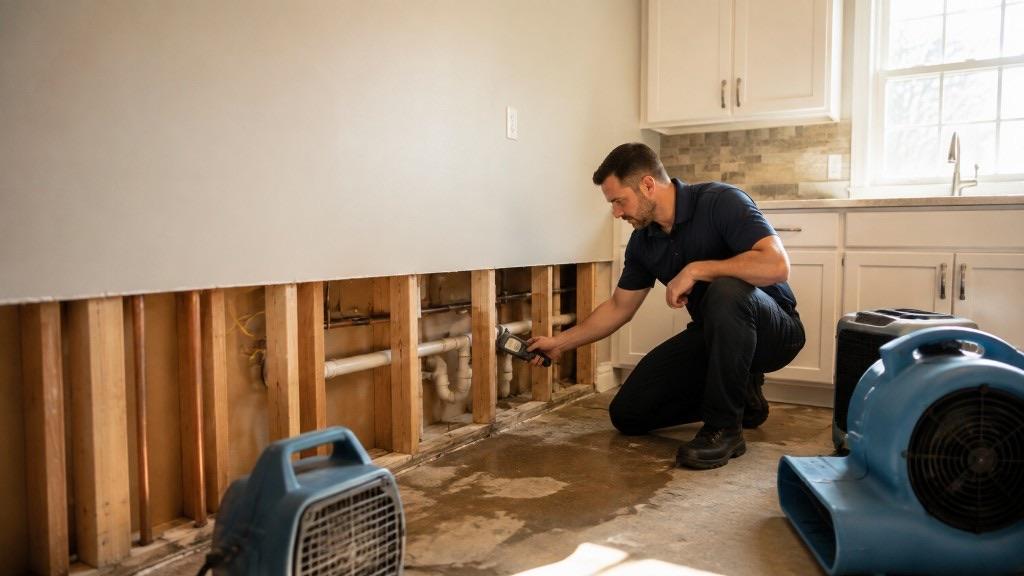
Hose water left in wallsSoaked ceilings and floors become a second problem that needs fast drying to prevent mold.

How a fire job runs

From a smoky house to a clean, rebuilt home.

  1. Step 1

    Secure the property

    We check for hazards, board up openings, and protect what can be saved. Safety comes first, and each step is photographed for your records.

  2. Step 2

    Assess the damage

    We look at how far smoke and soot traveled, room by room. The written scope that comes out of this is shared with you and your insurer.

  3. Step 3

    Remove soot and residue

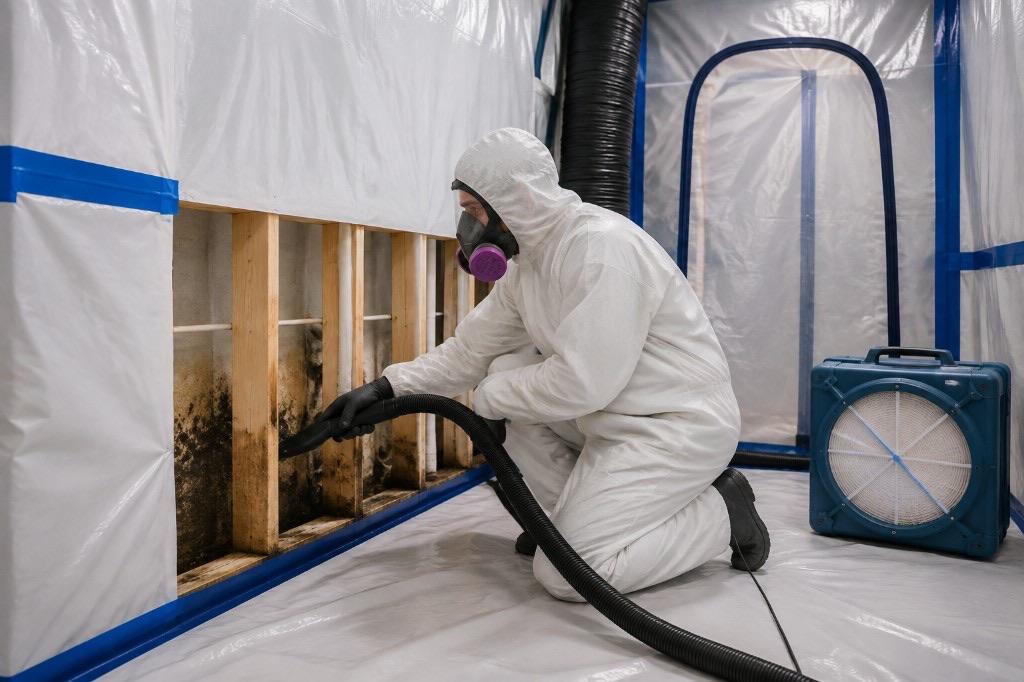
    Surfaces, framing, and contents are cleaned with the method that suits each material. Dry methods come first so soot is lifted instead of smeared.

  4. Step 4

    Deodorize and filter the air

    Odor treatment and air filtration start once the residue is gone. Treating odor before cleaning only hides it for a while.

  5. Step 5

    Rebuild

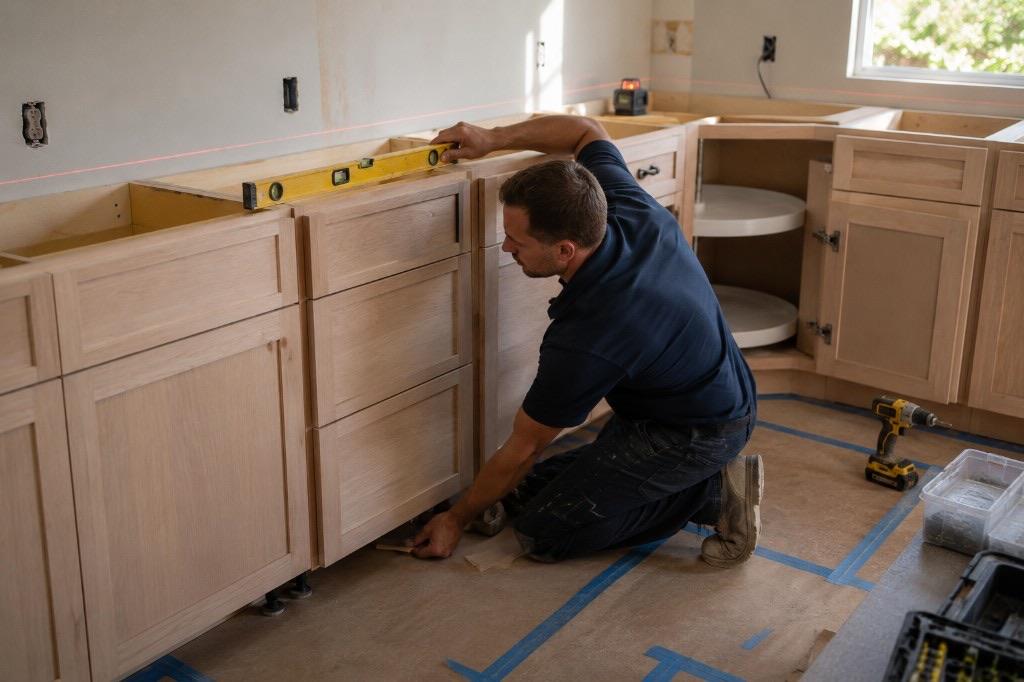
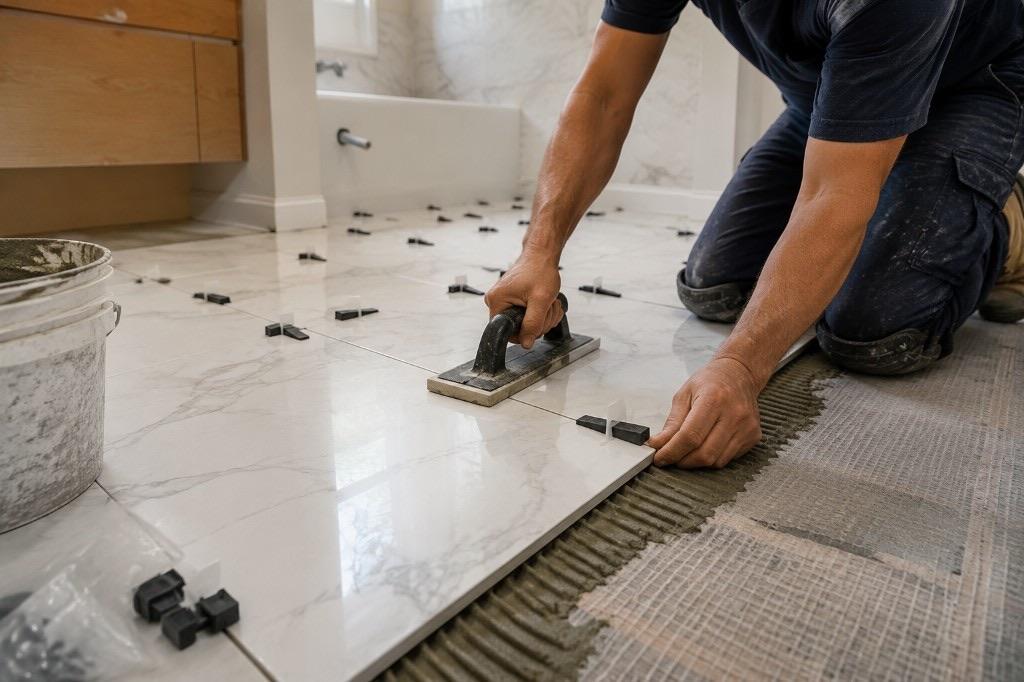
    Drywall, flooring, paint, and trim replace what could not be saved. One company handles both parts, so the schedule stays in one place.

Want the full picture of how fire and smoke damage is handled? Read our fire damage restoration guide.

Why it matters here

How fire damage plays out in Gaston County.

Older construction

  • Dry, dense mill-era lumber burns hot and holds smoke odor for years.
  • Close spacing between houses lets heat and embers cross lot lines.
  • Plaster and layers of old paint trap soot in tiny pores.
  • Attached porches and additions create hidden voids where fire travels.

Weather and timing

  • Cold snaps raise the use of heaters and stoves in poorly insulated houses.
  • Summer storms bring lightning strikes and roof fires.
  • Hose water left in walls begins to grow mold in just a few days of humid weather.
  • Humid air makes soot more corrosive on metal fixtures and appliances.

Smoke and soot in your Gastonia home?

Day or night, a real person picks up. Call, or use the form below.

Before you call

Quick checklist for your call.

Whatever you have is enough

Start with the phone number and address. We ask about the rest.

  • A contact numberOne that is answered on site.
  • The addressAnd how to get inside if you are not there.
  • A rough descriptionWhich rooms burned or smell of smoke.
  • Utilities statusWhether gas and power were turned off.
  • Insurance and claim numberIf you have already reported the loss.

Paperwork

Insurance for Gastonia fire losses.

Homeowners and renters

  • Most homeowners policies cover fire, but terms differ, so call your insurer early.
  • Many policies also cover temporary housing while the home cannot be lived in.
  • Keep receipts for emergency expenses and the things you replace.
  • We document with photos and a written scope. Your insurer decides coverage.

Landlords and condo owners

  • Building policies and unit policies usually cover different things.
  • Ask your association or manager where the line is drawn.
  • Tell every insurer involved, and keep copies of what you send.
  • We can document each affected unit for the people who need the records.

Where we work

Gastonia areas we serve.

Not sure your address is covered? Call us. We also serve the communities around Gastonia, including Charlotte, Rock Hill, Fort Mill, and Huntersville.

(980) 282-9637
  • Downtown Gastonia
  • Loray Mill district
  • Franklin Boulevard
  • Garrison Boulevard
  • Union Road
  • New Hope Road
  • Crowders Mountain area
  • Mill villages

FAQ

Gastonia questions

Not covered here? Ask us directly, day or night.

(980) 282-9637

Yes. We work across Gastonia, including Downtown Gastonia, Loray Mill district, Franklin Boulevard, Garrison Boulevard, Union Road, and New Hope Road. Call us for current availability for your address.

In most cases, yes. Dense old lumber cleans up better than many people expect. We test a small area first, clean what responds, and tell you plainly what has to be replaced.

We clean the kitchen, dining area, and any space the smoke reached, and we keep a written scope for your insurer. Reopening also depends on inspections, which we help you plan around.

Your own insurer handles damage to your property. We document your house separately from your neighbor's so both claims have clean records.

Yes. We work across Gaston County. Call with your address and we will confirm availability.

Have the stove, flue, and chimney inspected by a qualified sweep first. We clean soot and repair the damaged walls and floors, and we explain what we saw so you can pass it on.

Usually, yes, though the details depend on your policy and the cause. We supply photos, a written scope, and invoices for your adjuster.

As soon as you can safely do so. The first day matters most for keeping soot from setting and odors from sinking in.

Yes. We handle the rebuild from framing and drywall to paint, and we can update the room if you want.

Yes. Emergencies happen at any hour, so we answer calls at any hour.

ABC Experts logo

Who is behind this page

ABC Experts LLC

One team for water, fire, and mold damage and the remodeling that follows, across the Charlotte metro.

Our line is open day and night.

Request fire damage restoration in Gastonia

Send the details and we will call you back.

Emergency? Call us any time(980) 282-9637
  • No-cost estimates
  • Calls answered around the clock
  • Records ready for your insurer
Call Now