Gastonia's mill-village houses, hillside basements, and fast-growing subdivisions each trap moisture in their own way. We find the source, remove the mold, and rebuild what it damaged.
Much of Gastonia's older housing sits close to the ground with limited ventilation underneath, and many lots slope toward the foundation. Newer homes bring different issues. Pick the description closest to yours.
Older small homes
Mill-village houses near Loray Mill and downtown
Small frame houses from the early 1900s have low crawl spaces, thin insulation, and plumbing that has been patched many times. Damp air under the house rises through the floors and settles in closets and corners.
We clean what can be saved, remove what cannot, and discuss moisture control suited to a small older house.
Where it shows up
Shallow crawl spaces with poor ventilation
Patched plumbing that drips slowly
Porch roofs and valleys that leak
Basements and lower levels
Houses with basements on sloping lots
Hillside lots send runoff toward foundations. Basements can seep along walls and floors after long rain, and finished basements hide the growth behind paneling, carpet, or drywall until the smell gives it away.
We open affected areas, dry and clean them, and recommend ways to manage water outside the house.
Where it shows up
Seepage at the wall-and-floor joint
Wet carpet and baseboards
Sump pumps overwhelmed by storms
Subdivisions
Newer subdivisions across Gaston County
Tight construction and large air conditioners can chill ducts and attics enough to cause condensation. Mold shows up near vents, in closets, and above bathrooms where exhaust fans are weak or poorly vented.
We trace the moisture path, remove affected material, and suggest fixes for ventilation.
Where it shows up
Attic ducts that drip with condensation
Poorly vented bathroom fans
Windows that leak after storms
Homes near water
Homes near the Catawba River and county edges
Properties near the river and creeks have higher humidity and sometimes higher water tables. Seasonal homes can sit closed up and grow mold unnoticed through a long humid summer.
We inspect the whole house and advise on keeping it dry when it is not in use.
Where it shows up
Closed-up seasonal houses
High water tables in low lots
Storage sheds with damp walls
What we are called for
Where mold shows up around Gastonia.
Crawl spaces
Low, closed crawl spaces stay damp under older houses and send moist air upward.
Basement seepage
Water moves in after long rain and sits behind finished walls and carpet.
Duct condensation
Cold ducts in hot attics sweat and drip onto insulation and ceilings.
Leaks at roofs and windows
Rain finds small gaps and wets insulation and drywall for weeks.
Bathrooms and laundry rooms
Weak exhaust leaves moisture sitting on ceilings and walls.
Past floods
Areas never fully dried after a water event can bloom with mold later.
Go gently
What helps if you find mold in Gastonia.
A few quiet steps protect your health and keep the cleanup simpler and smaller.
Do
Stop leaks you can reach safely, and mop up any standing water.
Run a dehumidifier in the room with the door closed.
Photograph growth and stains, with dates, for your records.
Keep children, pets, and people with breathing problems away.
Call for an inspection before you attempt a big cleanup.
Don't
Don't sand or scrub it dry; that fills the air with spores.
Don't blow air across it with a fan.
Don't cover it with paint or sealant before the cause is fixed.
Don't let the air handler run when growth is close to a vent or duct.
Why it matters here
Why mold thrives in Gaston County.
Weather and terrain
Hot, humid summers keep indoor humidity high without dehumidification.
Hilly lots send runoff toward foundations and basement walls.
Clay soil drains slowly after storms and holds water.
Mild winters keep mold active through the cold months.
Housing
Mill houses have low crawl spaces with little airflow.
Finished basements hide growth behind walls and flooring.
Newer homes are sealed tight and rely on fans to move moist air.
Many older houses have patched or repaired plumbing.
How mold removal works
Find the moisture, contain the area, remove the growth.
Yes. We work across Gastonia, including Downtown Gastonia, Loray Mill district, Franklin Boulevard, Garrison Boulevard, Union Road, and New Hope Road. Call us for current availability for your address.
Yes. We inspect crawl spaces and framing, remove what cannot be saved, and discuss moisture control that suits a small older house.
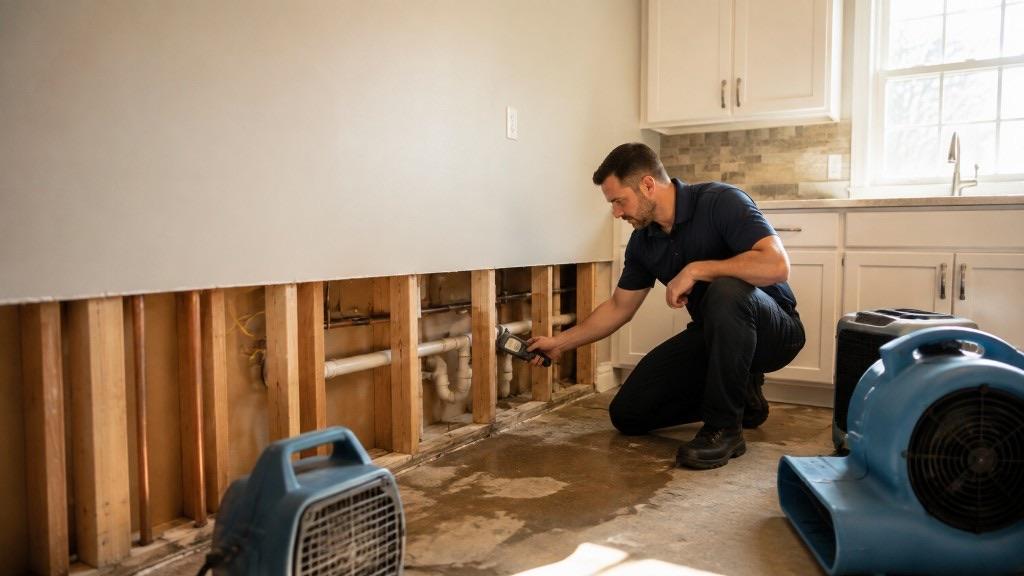
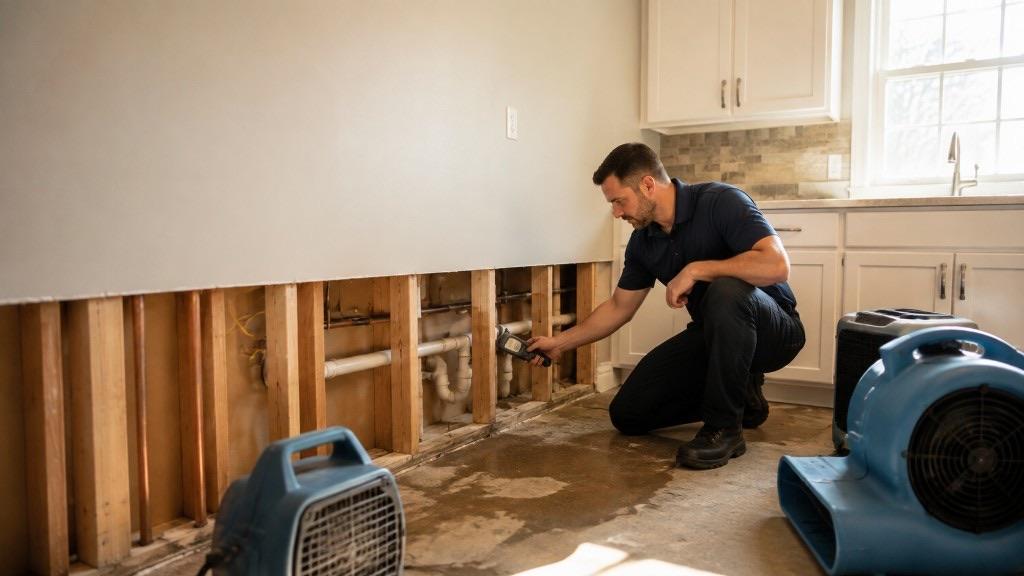
Growth is often behind finishes. We use moisture meters and a thermal camera to find damp areas, and we open only what we need to.
Yes. We work across Gaston County. Call with your address to confirm availability.
We focus on cleaning and moisture control inside the house. For exterior grading and drainage we can advise on what is needed and who can do it.
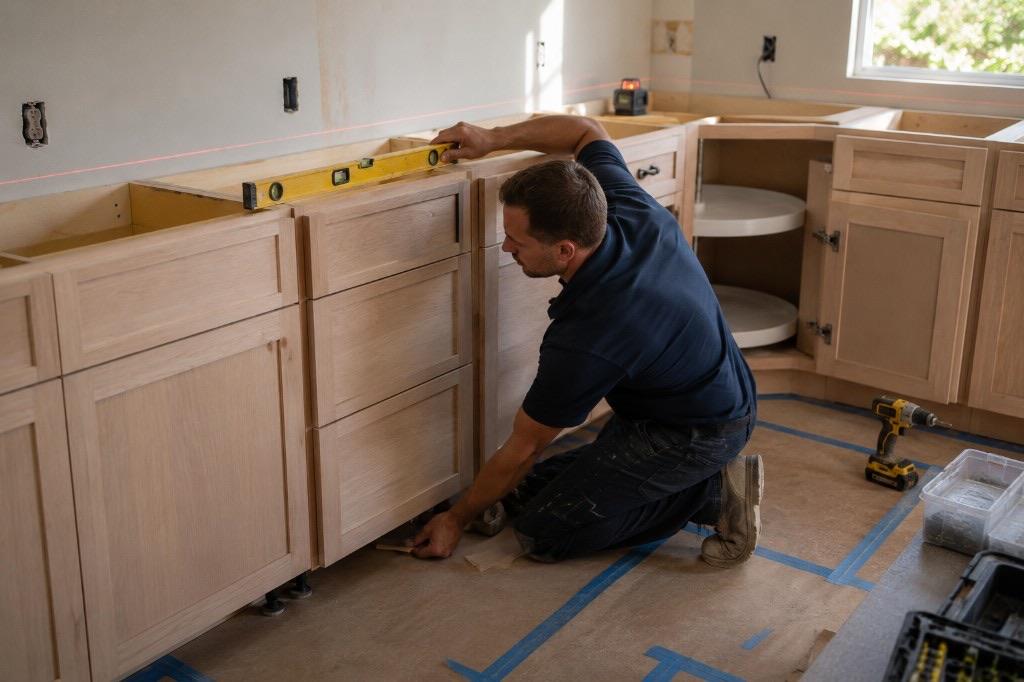
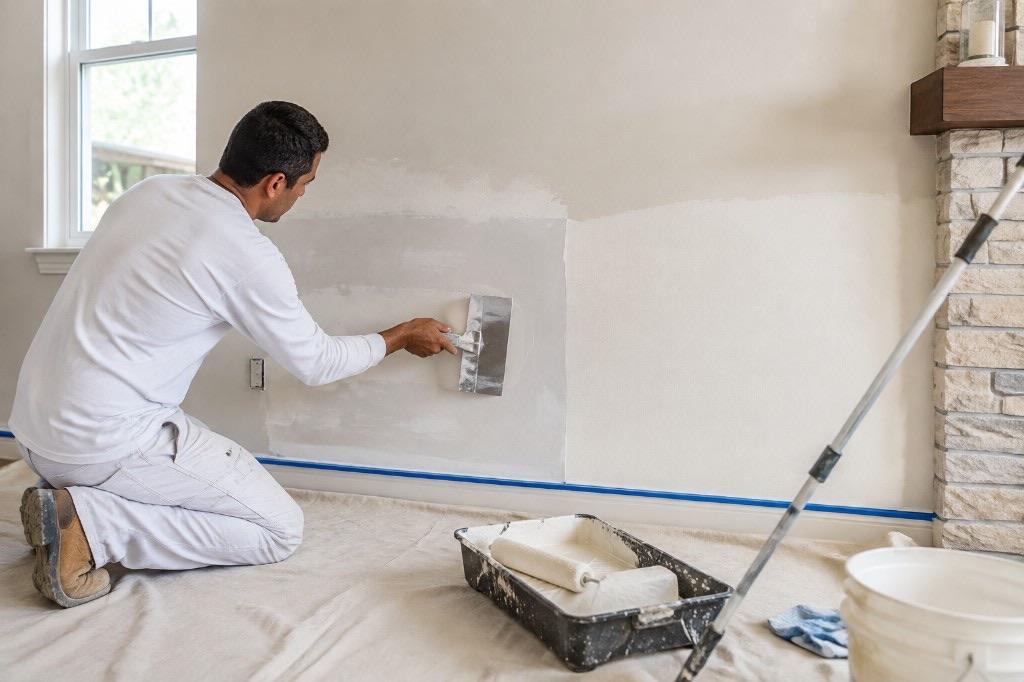
Yes. We replace drywall, insulation, and finishes so the room is ready to use again.
For many people it causes sneezing and congestion; for some, it is more serious. Either way, mold should not be left to grow.
Bleach is not a fix. The moisture source has to be corrected, and porous materials with growth usually need to come out.
We inspect for growth and moisture. Air or surface testing can be added when it will change the decision, and we say so honestly.
Return is usually a sign that the moisture was not solved. We focus on the cause and give you steps to keep the area dry.